


Educational
Top 7 Suppressor Myths, Debunked
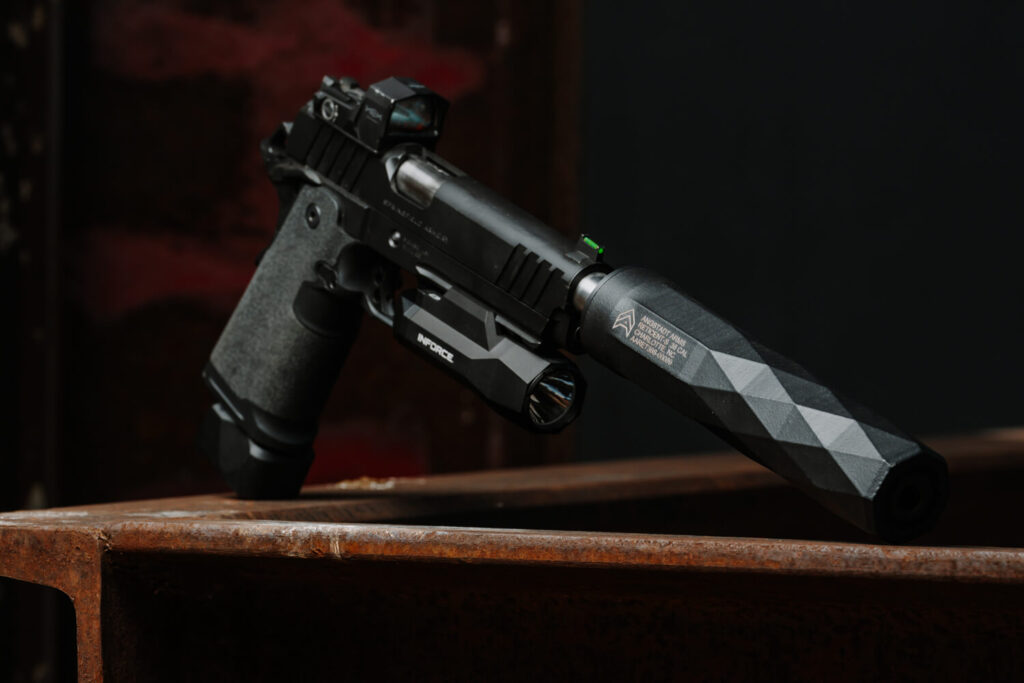
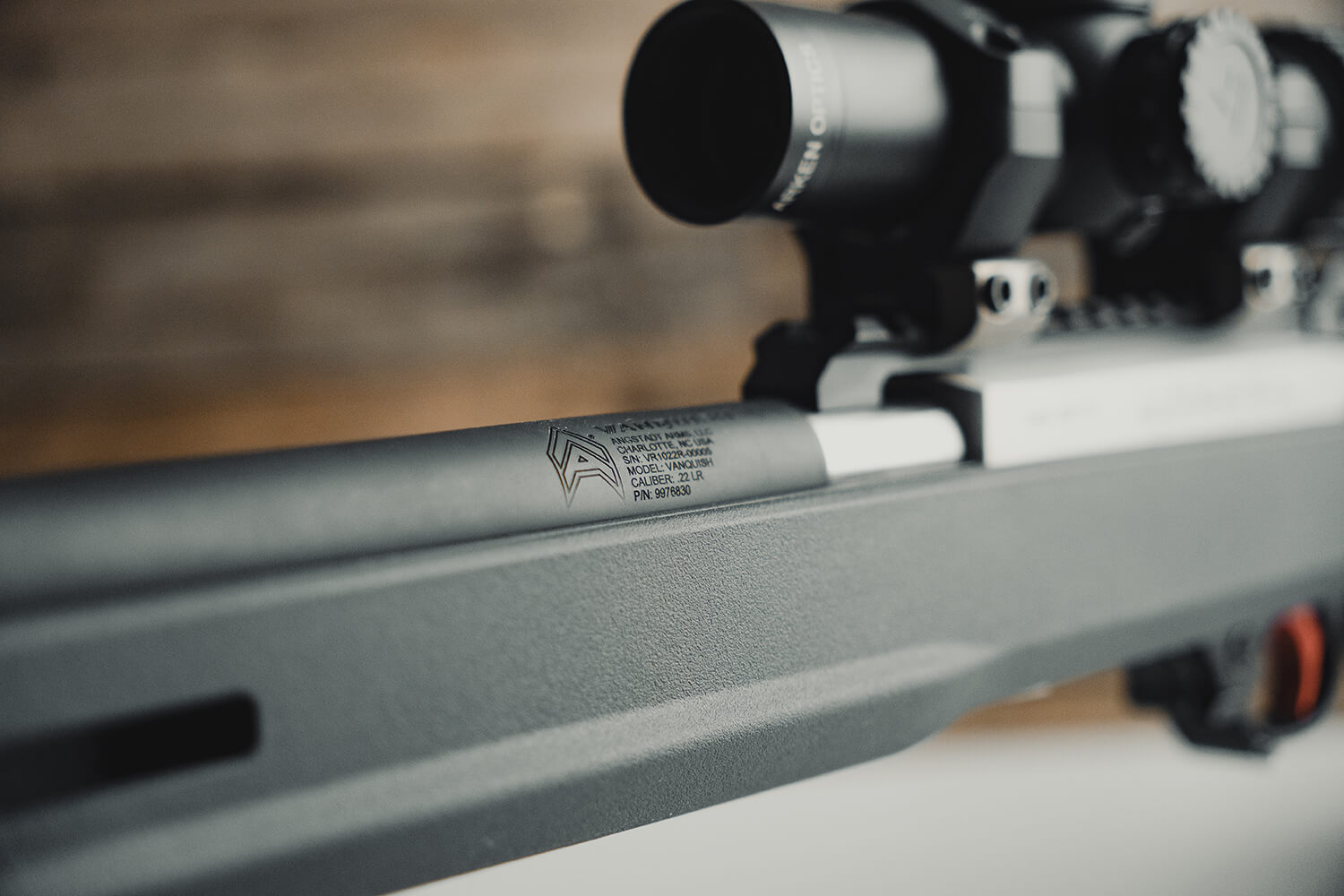
The biggest suppressor myth is that a suppressor makes a gun completely silent. It doesn’t. Trust us, we wish it did. A .22 LR bolt gun with our Reticent 22 and CCI subsonic ammo comes close, but it still meters 113 to 115 decibels. Suppressors are also legal to own in 42 states, carry a $0 federal tax, and need no special license.
Here are the top 7 suppressor myths, and the facts behind each.
1. Does a suppressor make a gun silent?
No. A suppressor traps and slows the burning gas that leaves the muzzle, which takes the sharp edge off the report. It makes a gunshot easier on your ears. It doesn’t erase it. Forget everything Hollywood taught you about suppressors, except that they look really cool.
The numbers show the gap. An unsuppressed .22 LR runs about 140 decibels and up at the muzzle, the same impulse range the National Institute on Deafness and Other Communication Disorders assigns to fireworks. OSHA says impulse noise should not exceed 140 dB peak. With a quality suppressor and subsonic ammo, a .22 LR drops to about 113 to 128 dB. We break down the full range in how quiet a suppressed .22 really is.
Our own Reticent 22 metered a lowest shot of 113.4 dB and a five-shot average of 115 dB on a .22 LR bolt gun, measured one meter left of the muzzle on a Larson Davis meter. That’s quiet for a gunshot. It’s still loud.
| Sound | Decibels | Source |
|---|---|---|
| Unsuppressed .22 LR (muzzle) | 140+ dB | Angstadt Arms |
| Fireworks (impulse) | 140 to 160 dB | NIDCD |
| OSHA impulse noise limit | 140 dB peak | OSHA |
| Suppressed .22 LR, subsonic ammo | 113 to 128 dB | Angstadt Arms |
| Reticent 22, lowest shot / 5-shot average | 113.4 / 115 dB | Angstadt Arms, MIL-STD-1474D |
A few sounds stay no matter what’s on the muzzle: the action cycling, the bullet hitting the target, and the crack of any bullet moving faster than sound, about 1,125 feet per second. That crack happens outside the barrel, so no suppressor can touch it. It’s why subsonic ammo matters as much as the suppressor.
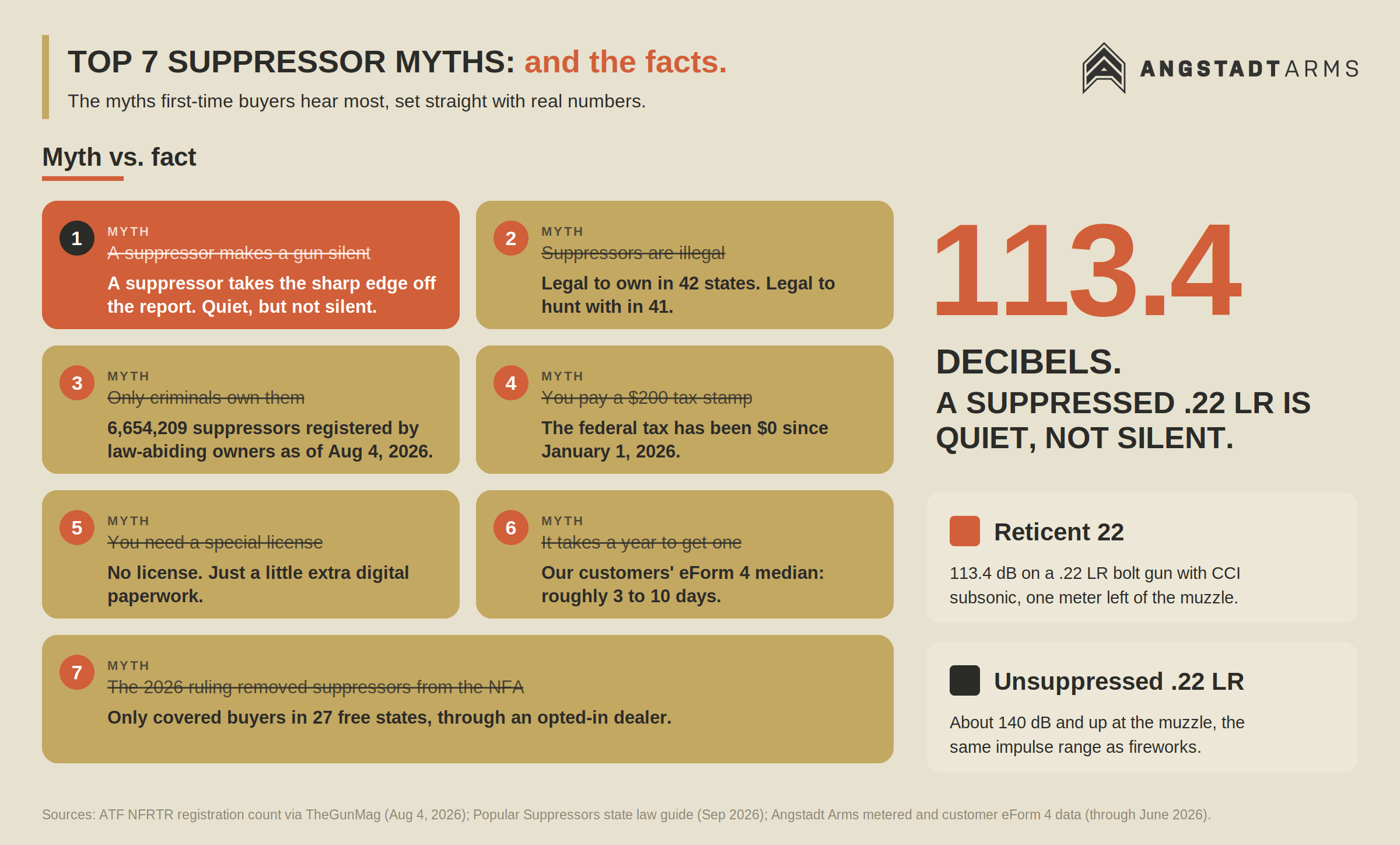
A suppressor makes a gunshot safer on your hearing. It doesn’t make it silent. A suppressed .22 LR with subsonic ammo meters around 113 to 128 dB, under the 140 dB impulse limit OSHA sets.
2. Are suppressors illegal?
No. Suppressors are legal to own in 42 states. Civilians cannot legally own one in eight states and Washington DC: California, Delaware, Hawaii, Illinois, Massachusetts, New Jersey, New York, and Rhode Island.
Hunting is legal almost everywhere ownership is. Of the 42 states, 41 allow hunting with a suppressor in some form. Connecticut is the exception: you can own one there, but you can’t hunt with it. Rules can vary by species and season, so check your state wildlife agency before you head out.
Our state-by-state map shows exactly where your state lands.
The 2026 Silencer Shop ruling didn’t change any of this. State law still decides whether you can own a suppressor, and a banned state is still banned. What the ruling changed is the paperwork for some buyers in 27 free states, covered in myth 7 and in our Silencer Shop ruling explainer.
Suppressors are legal to own in 42 states and legal to hunt with in 41. Only eight states and Washington DC ban civilian ownership.

3. Are suppressors only for criminals?
Absolutely not! As of August 4, 2026, ATF’s National Firearms Registration and Transfer Record listed 6,654,209 registered suppressors. Each one went through federal registration.
People buy them for ordinary reasons. They protect hearing for the shooter and everyone nearby. They keep the peace with neighbors and livestock. They make a first range day less intimidating for a new shooter, and they take the muzzle blast out of a hunt.
More than 6.6 million suppressors are registered in the United States, each one through the federal registration process. Owners buy them to protect their hearing and shoot with less noise.
4. Do you still pay a $200 tax stamp on a suppressor?
No. The federal transfer tax on suppressors dropped from $200 to $0 on January 1, 2026, under a law passed in 2025. The same $0 rate covers short-barreled rifles, short-barreled shotguns, and AOWs. Machine guns and destructive devices still carry the $200 tax.
What didn’t go away is registration. The fee was a tax on top of registration, and only the tax was cut. We break down exactly what changed in our guide to whether you still need a tax stamp.
The suppressor tax stamp is $0 as of January 1, 2026. The $200 fee is gone. Registration is not.
5. Do you need a special license to own a suppressor?
No. There’s no suppressor license. If suppressors are legal in your state, you’re at least 21 to buy from a dealer, and you can legally own a firearm, you can buy one.
The standard path is a Form 4: you submit fingerprints and a photo, pass a background check, and pick up the suppressor from your dealer once it’s approved. You can buy as an individual or through an NFA trust.
Our step-by-step guide on how to buy a suppressor walks through the whole process.
You don’t need a license to own a suppressor. You need to be eligible to own a firearm, live in a state where suppressors are legal, and complete the transfer paperwork.
6. Does it take a year to get a suppressor?
Not anymore. Paper Form 4 approvals used to run six to twelve months. The electronic Form 4 changed that.
In our own customer approvals through June 2026, the median eForm 4 approval was roughly 3 to 10 days. Timelines shift, so treat that as a current snapshot, not a promise. Our eForm 4 wait-times page tracks the latest numbers.
Related: How Long Does an eForm 4 Take? Real Approval Timelines
The year-long wait is gone. Our customers’ eForm 4 approvals through June 2026 had a median of roughly 3 to 10 days.
7. Did the 2026 court ruling end suppressor paperwork for everyone?
No. In August 2026 a federal court blocked enforcement of NFA registration for suppressors, but only for the plaintiffs in that case and their members and customers. Silencer Shop Foundation was one of those plaintiffs, so the ruling reaches Silencer Shop’s customers. It does not reach every buyer by default.
Even inside that group, three things decide whether you skip the Form 4. You have to live in one of the 27 free states, where state law doesn’t tie back to the NFA process. You have to buy through Silencer Shop or a Silencer Shop authorized dealer. And that dealer has to have opted into the 4473 process, which each dealer decides for itself.
Miss any one of those and the standard Form 4 still applies, now at a $0 tax. State law didn’t change either: a state that bans suppressors still bans them. Our ruling explainer covers who qualifies and where each state lands.
The 2026 ruling lets some buyers skip NFA registration, not everyone. It takes a free state, the Silencer Shop channel, and a dealer that has opted into the 4473 process. Everyone else still files a Form 4.
Top 7 suppressor myths vs. facts
| Myth | Fact |
|---|---|
| A suppressor makes a gun silent | A suppressed .22 LR with subsonic ammo meters about 113 to 128 dB |
| Suppressors are illegal | Legal to own in 42 states, legal to hunt with in 41 |
| Only criminals own them | 6,654,209 registered as of August 4, 2026 |
| You pay a $200 tax stamp | $0 since January 1, 2026 |
| You need a special license | No license. Eligibility, a legal state, and transfer paperwork |
| It takes a year | Our customers’ eForm 4 median: roughly 3 to 10 days through June 2026 |
| The 2026 ruling ended paperwork for everyone | Only covered buyers in 27 free states, through an opted-in dealer |
Where to start if you’re new to suppressors
The Reticent 22 is the lightest full-size .22 suppressor at 2.5 ounces, Grade 5 titanium that threads onto any 1/2×28 rimfire host and meters as low as 113.4 dB. Want nothing on the muzzle at all? The Vanquish 22 replaces your Ruger 10/22 barrel with an integrally suppressed, fully rifled barrel. Order online and we handle the transfer to your dealer.
Download the free guide now!
From choosing your first suppressor to taking it home, this guide walks you through everything. Don't be caught off guard, enter your email and we'll send it straight to your inbox!
Featured Products
-
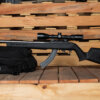 Vanquish 22 Suppressed Ruger 10/22 Barrel
Original price was: $599.00.$535.00Current price is: $535.00.
Vanquish 22 Suppressed Ruger 10/22 Barrel
Original price was: $599.00.$535.00Current price is: $535.00. -
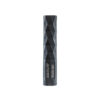 Reticent 22 Suppressor
Original price was: $375.00.$345.00Current price is: $345.00.
Reticent 22 Suppressor
Original price was: $375.00.$345.00Current price is: $345.00. -
 Vanquish Integrally Suppressed 9mm SBR
Original price was: $2,175.00.$1,995.00Current price is: $1,995.00.
Vanquish Integrally Suppressed 9mm SBR
Original price was: $2,175.00.$1,995.00Current price is: $1,995.00. -
 Vanquish AR-22 Suppressed Barrel
Original price was: $599.00.$535.00Current price is: $535.00.
Vanquish AR-22 Suppressed Barrel
Original price was: $599.00.$535.00Current price is: $535.00.
Frequently asked questions
No. A suppressor reduces the report, it does not eliminate it. A suppressed .22 LR with subsonic ammo meters about 113 to 128 decibels, down from about 140 unsuppressed. Our Reticent 22 metered 113.4 dB at its lowest. The action, the bullet impact, and any supersonic crack are still audible.
Suppressors are legal to own in 42 states. Civilians cannot legally own one in California, Delaware, Hawaii, Illinois, Massachusetts, New Jersey, New York, Rhode Island, or Washington DC. Of the 42 legal states, 41 allow hunting with a suppressor. Connecticut allows ownership but not hunting.
No. There is no suppressor license. You need to live in a state where suppressors are legal, be eligible to own a firearm, be at least 21 to buy from a dealer, and complete the transfer paperwork, which for most buyers is a Form 4 with fingerprints, a photo, and a background check.
Not for everyone. The August 2026 ruling covers the plaintiffs and their members and customers, including Silencer Shop customers. A covered buyer in one of 27 free states, using a dealer that has opted in, can complete a 4473 instead of a Form 4. Everyone else still registers, at a $0 tax.
Much less time than it used to. Paper Form 4 approvals once took six to twelve months. In our own customer approvals through June 2026, the median eForm 4 approval was roughly 3 to 10 days. Timelines change, so check current wait times before you order.
Latest Intel
Top 7 Suppressor Myths, Debunked
Oct
DOJ Won’t Appeal the NFA Ruling: What It Means for Buyers
Oct
Best Suppressor for the Ruger Mark IV
Oct
How Long Does a Rimfire Suppressor Last?
2 Comments
Sep
Suppressor Financing: How to Pay Over Time in 2026
Sep
Best .22 Suppressor for a Pistol: Why Weight Wins
Sep