


Educational
Who Can Use Your Suppressor? Rules for Family & Friends in 2026
Anyone who can legally have a firearm can shoot your suppressor while you are there and in control of it. Who can use it without you depends on your state and your paperwork. In the 15 NFA states, only the registered owner, or the trustees of an NFA trust, can. In the free states, an unregistered suppressor follows the same rules as a rifle.
Here’s who can use it, person by person, and how to set up your paperwork for the people who’ll actually shoot it.
Can someone else shoot my suppressor if I’m there?
Yes. Anyone who can legally have a firearm can shoot your suppressor while you’re standing there and in control of it. That has long been the working rule for registered suppressors, and it holds in every state where suppressors are legal.
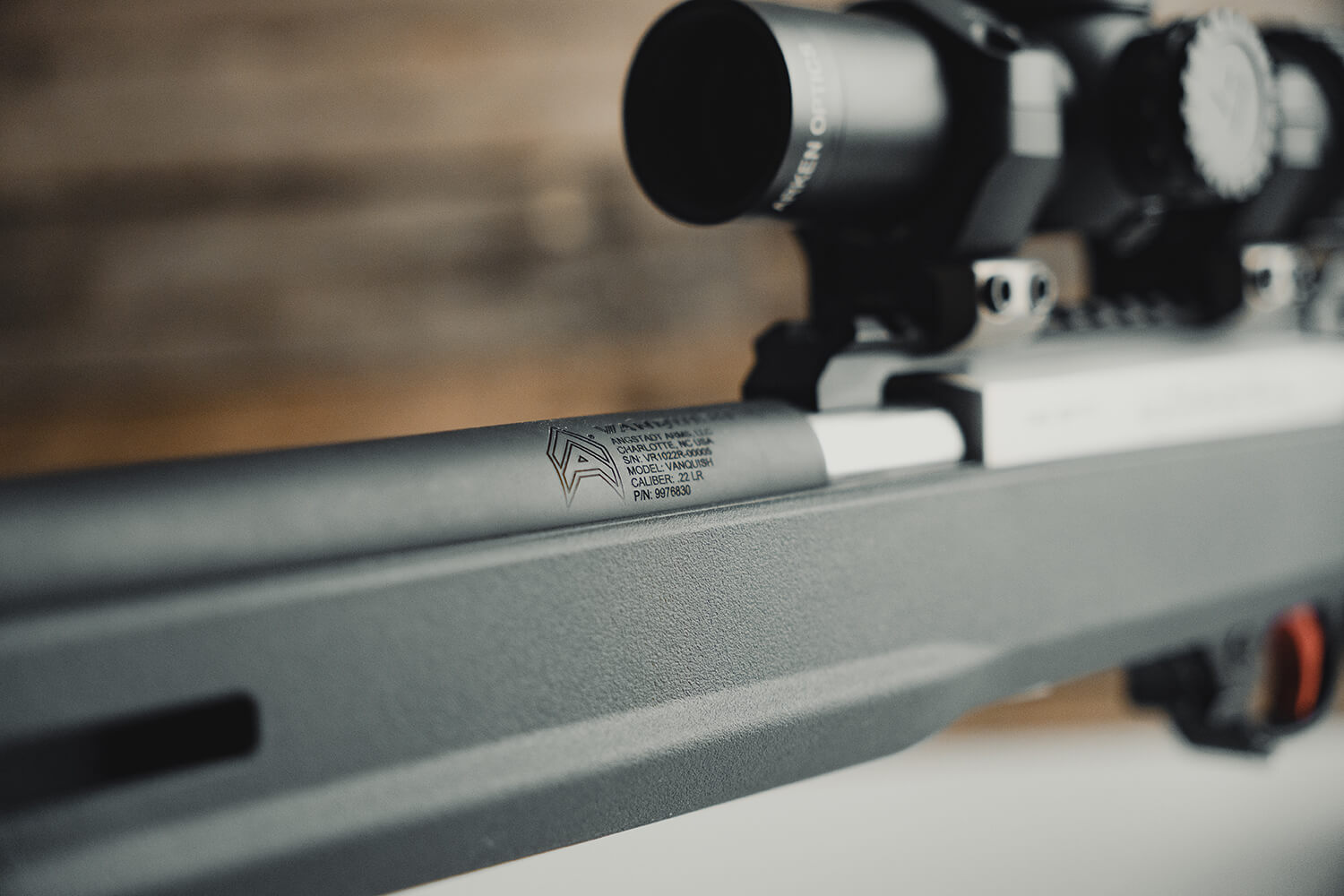
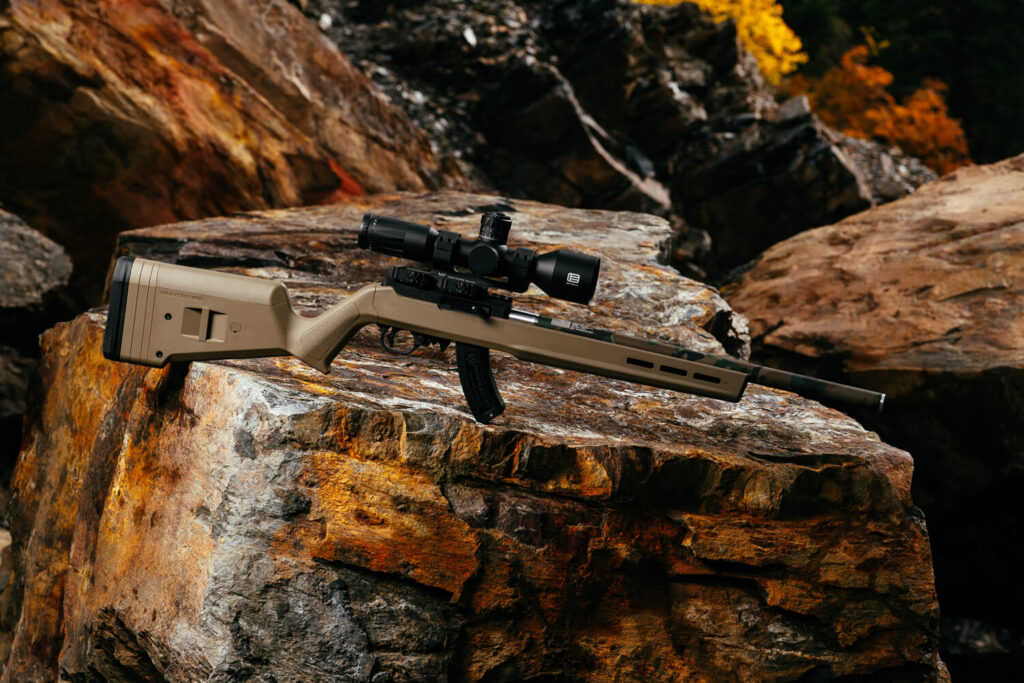
“In control” means you stay with it. Your buddy runs a magazine through your Vanquish 22 at the bench while you’re next to him, then hands it back. You don’t walk to the car, leave it at his lane, or let him take it home.
Two kinds of people never qualify, with you there or not: a prohibited person (anyone federal law bars from having firearms, such as a convicted felon), and anyone your state bars. The Gun Control Act makes it a crime to hand a firearm to someone you know, or have reason to believe, is prohibited, and a suppressor is a firearm under that law.
Anyone who can legally have a firearm can shoot your suppressor with you there and in control. A prohibited person can’t, ever.
Why do the rules depend on your state and how you bought it?
Since October 9, 2026, there are two sets of rules. On that day, ATF’s Open Letter stopped federal enforcement of NFA registration for suppressors, for every buyer. Registration is now voluntary, and ATF’s FAQ says owners remain bound by the Gun Control Act, the same federal law that covers a rifle.
NFA rules apply in the 15 NFA states, where state law still ties suppressor ownership to the NFA process. Under NFA rules, a suppressor registered to you as an individual can only be in your possession. A suppressor held on an NFA trust can be possessed by any trustee.
Rifle rules apply to an unregistered suppressor in the 27 free states. A suppressor bought on a 4473 with no Form 4 never enters the federal registry, so the federal limits are the ones on any firearm: no prohibited persons, no transfers to residents of other states, and whatever your state adds.
State law still decides whether you can own a suppressor at all. The Silencer Shop ruling and ATF’s policy changed the paperwork for buyers in the free states. They didn’t change state law, so a banned state is still banned. Check where your state lands on our suppressor legal states map.
NFA states follow NFA rules. An unregistered suppressor in a free state follows rifle rules.
Can my spouse use my suppressor?
With you there, always. Without you, it depends on how the suppressor is held.
Registered to you as an individual, your spouse can shoot it only while you’re present. Put it on an NFA trust that names your spouse as a trustee and they can take it out alone. That’s the main reason couples use a trust, covered in our NFA trust vs individual guide.
Unregistered in a free state, your spouse can use it on their own if they can legally have a firearm and your state allows it.
Watch the safe. With a suppressor registered to you individually, a spouse who can open the safe alone has access to it, which is the gray area a trust removes. ATF has also proposed letting spouses register a suppressor jointly, so both could possess it without a trust. As of this writing it’s a proposal, not a final rule.
With you there, your spouse can always shoot it. Without you, it takes a trust or an unregistered suppressor in a free state.
Can my kids shoot my suppressor?
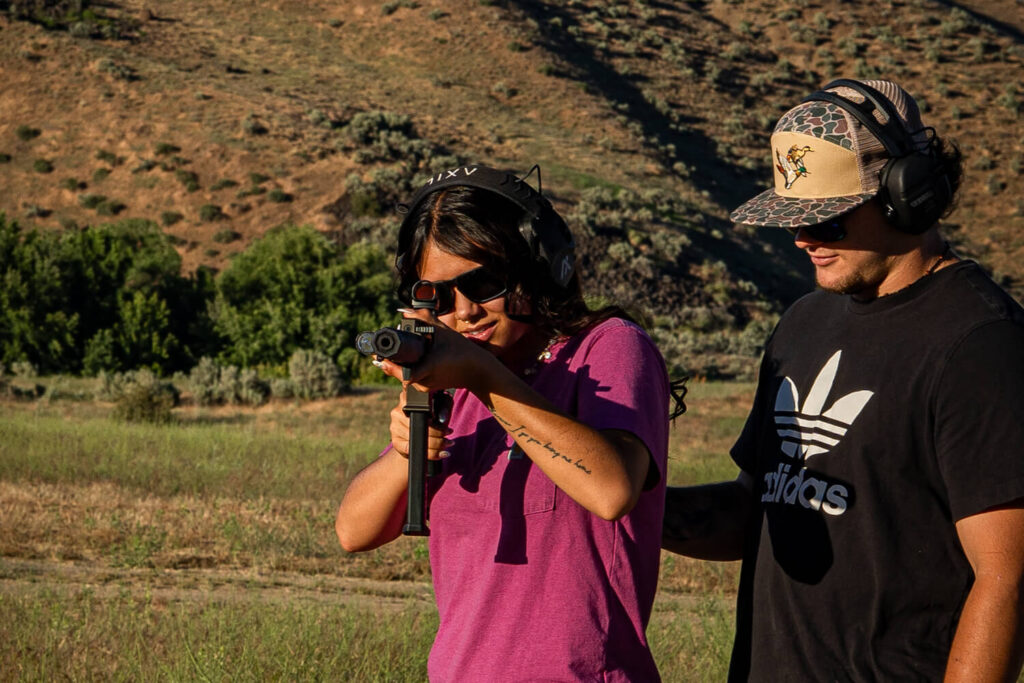
Yes, under adult supervision. Federal law sets no minimum age to shoot a suppressor when an adult is supervising, which is why a suppressed .22 is one of the best ways to teach a new shooter. Check your state’s rules too, especially for hunting.
Supervised means an adult is right there, in control of the firearm and the ammunition. A minor doesn’t take your suppressor out alone under either set of rules.
Adult children are treated like any other adult. Under NFA rules they need you present unless they’re a trustee on your trust. Under rifle rules they can use it on their own if they can legally have a firearm and your state allows it.
Kids shoot a suppressor with an adult supervising. Adult children follow the same rules as your spouse.
Can I lend my suppressor to a friend?
Under rifle rules, yes, with limits. In a free state, you can lend an unregistered suppressor to a friend who lives in your state, can legally have a firearm, and isn’t barred by your state’s law. Lending rules vary by state, so check yours before the suppressor leaves your hands.
Keep the loan in-state. ATF’s FAQ says unlicensed individuals may not transfer NFA items to residents of other states, so an out-of-state friend shoots it with you there or not at all.
Under NFA rules, no. A friend can shoot your registered suppressor with you present, or on their own only if they’re a trustee on your trust.
A loan isn’t a sale. If your friend wants to keep it, that’s a transfer, and our guide to selling or transferring a suppressor covers how that works.
Lend an unregistered suppressor only to a same-state friend who can legally have a firearm, and only where your state allows it.
What if my suppressor is registered and I live in a free state?
We’d run it by NFA rules. ATF isn’t enforcing NFA registration today, but a registered suppressor is still in the federal registry under your name or your trust’s, and that record outlasts any policy.
ATF says enforcement could resume if Congress restores the tax, a court reverses the injunction, or the policy is rescinded. If that happens, the old possession rules come back with it. Keeping a registered suppressor with you or your trustees costs nothing now and keeps you clean either way.
You can ask ATF to remove a suppressor from the registry, but it’s permanent. Read what ATF’s NFA Open Letter means before you do.
A registered suppressor stays on the registry. Treat it by NFA rules, even in a free state.
Who can use your suppressor, side by side
Every common situation under both sets of rules:
| Who | NFA rules: registered to you | NFA rules: on a trust | Rifle rules: unregistered, free state |
|---|---|---|---|
| You | Yes, alone | Yes, as a trustee | Yes |
| Spouse | Only with you present | Alone, if a named trustee | Alone, if they can legally have a firearm and your state allows it |
| Adult child | Only with you present | Alone, if a named trustee | Alone, if they can legally have a firearm and your state allows it |
| Minor | With adult supervision | With adult supervision | With adult supervision |
| Friend at the range with you | Yes | Yes | Yes |
| Friend borrowing it alone | No | Only if a named trustee | Yes, if they live in your state, can legally have a firearm, and your state allows it |
| Friend from another state, alone | No | Only if a named trustee | No |
| Prohibited person | Never | Never | Never |
Set up the paperwork for the people who’ll shoot it
If you’re the only shooter, any path works. If your spouse or adult kids should shoot without you, use a trust in an NFA state, or keep a free-state suppressor unregistered and follow rifle rules. Whatever you choose, anyone who can legally have a firearm can shoot it with you there.
This post is general information, not legal advice. Suppressor law varies by state and is changing fast, so talk to an attorney about your situation.
A suppressor the whole family shares should move easily between guns. The Reticent 22 is the lightest and quietest full-size 22LR suppressor and threads onto any 1/2×28 rimfire host, so one suppressor quiets every .22 in the safe. The Vanquish 22 replaces the factory barrel on your Ruger 10/22 or Ruger Precision Rimfire, installs in 5 minutes, and upgrades both accuracy and sound.
Download the free guide now!
From choosing your first suppressor to taking it home, this guide walks you through everything. Don't be caught off guard, enter your email and we'll send it straight to your inbox!
Featured Products
-
 Reticent 22 Suppressor
Original price was: $375.00.$345.00Current price is: $345.00.
-
 Reticent 360S Suppressor
Original price was: $895.00.$795.00Current price is: $795.00.
-
 Vanquish AR-22 Suppressed Barrel
Original price was: $599.00.$535.00Current price is: $535.00.
-
 Vanquish 22TD Suppressed Ruger 10/22 Takedown Barrel
Original price was: $599.00.$535.00Current price is: $535.00.
Frequently asked questions
Yes, while you are there and in control of it, as long as they can legally have a firearm. Using it without you depends on your state and your paperwork. In the NFA states it takes a trust. In a free state, an unregistered suppressor follows the same rules as a rifle.
If it is registered to you as an individual, only with you present. On an NFA trust that names your spouse as a trustee, yes. In a free state, your spouse can use an unregistered suppressor if they can legally have a firearm and your state allows it. ATF has proposed joint spousal registration, but it is not final.
Yes, under adult supervision. Federal law sets no minimum age to shoot a suppressor when an adult is supervising and in control of the firearm and the ammunition. A minor never takes a suppressor out alone. Check your state’s rules too, especially for hunting.
In a free state, you can lend an unregistered suppressor to a friend who lives in your state, can legally have a firearm, and is not barred by state law. Do not lend it to a resident of another state. A registered suppressor stays with you or your trustees. Check your state’s rules first.
In an NFA state, yes, if they will use it without you. A trust lets every named trustee possess the suppressor alone and passes it to your heirs. In a free state, an unregistered suppressor needs no trust for family use, as long as each person can legally have a firearm.
Latest Intel
Who Can Use Your Suppressor? Rules for Family & Friends in 2026
Oct
Suppressed Fest 2026 Recap
Oct
Vanquish 22 M81 Woodland Limited Ed: Available Now
Oct
Is the Ruger Precision Rimfire Discontinued?
Oct
Suppressed Fest 2026: This Weekend!
Oct
How to Sell or Transfer a Suppressor in 2026
Oct