


Educational
Teaching New Shooters With a Suppressed .22
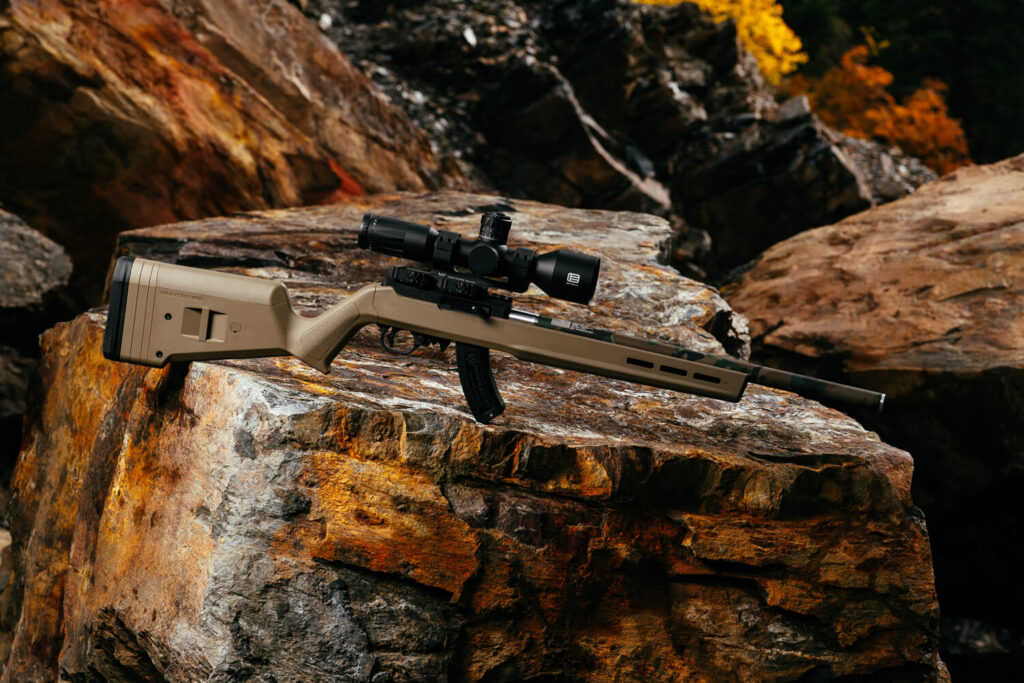
A suppressed .22LR is the best way to teach a new shooter. A .22LR has next to no recoil, so the only thing left to make a beginner flinch is the report. Put a suppressor on the rifle and the cause of the flinch goes away. The shooter stops bracing for the bang and starts paying attention to the sight, the trigger, and the target.
Here’s why it works, how I keep a new shooter safe, and the three guns I move them through.
Why do new shooters flinch, even with a .22?
Noise. An unsuppressed .22LR runs about 140 decibels and up. That’s loud enough to make anyone blink, and a new shooter’s body learns fast to brace for it. The bracing shows up as a flinch: the shoulders tense, the eyes close, and the muzzle dips right as the trigger breaks.
Recoil isn’t the problem. A .22LR has next to no recoil, which is why it’s the round almost everyone learns on. Once the noise is gone, a .22LR has nothing left that a beginner needs to brace against.
A suppressed .22 typically meters in the low 110s to upper 120s at the muzzle. Our Reticent 22 suppressor averages just 115 dB. That drop is the difference between a shooter who flinches on every trigger pull and one who watches the sight through the shot.
A .22LR doesn’t kick. Remove the noise with a suppressor and you remove the reason a new shooter flinches.
How do you start a new shooter safely?
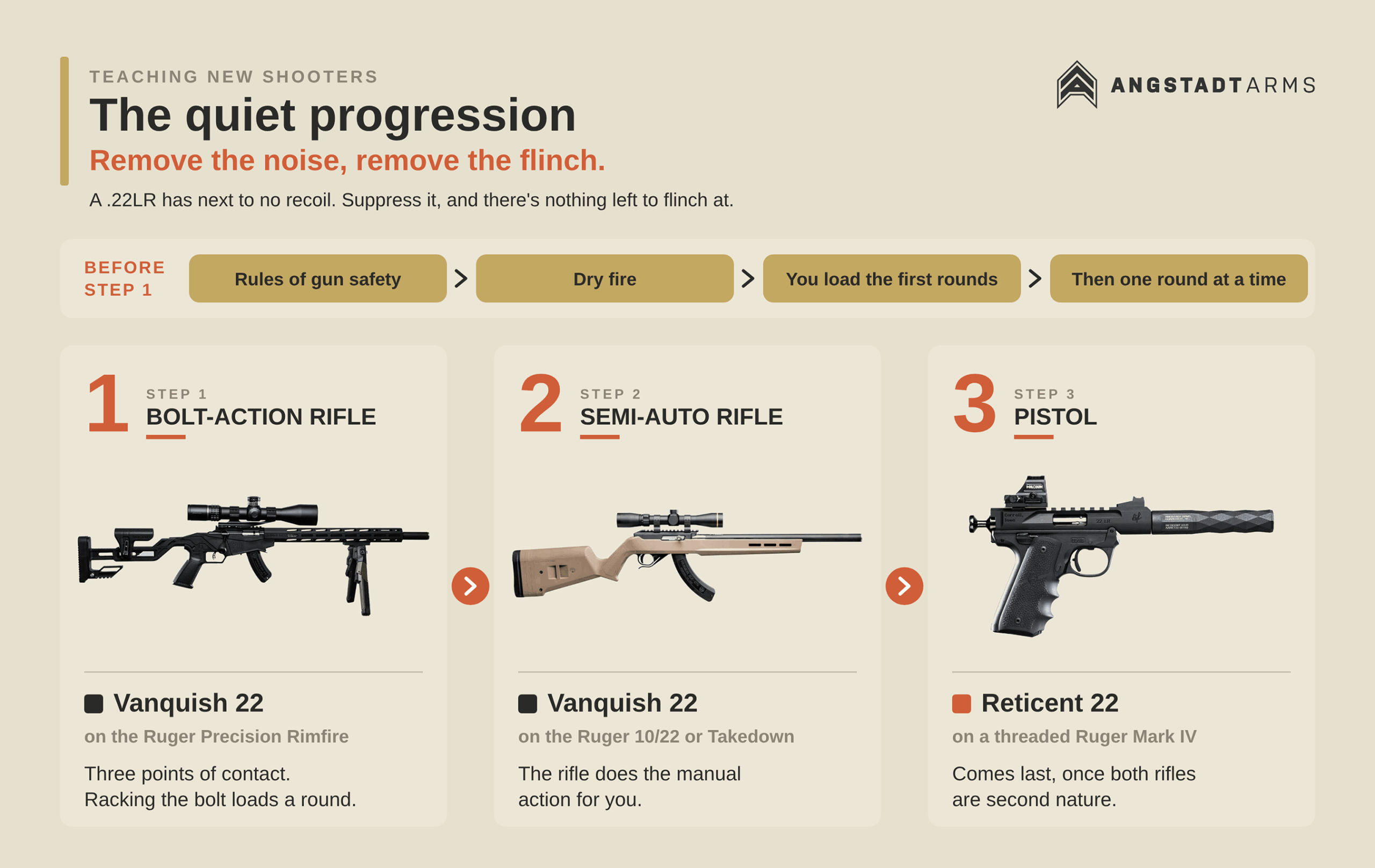
Safety comes before the first shot, every time. I start every new shooter with the rules of gun safety:
- Treat every gun as if it’s loaded.
- Never point the muzzle at anything you aren’t willing to destroy.
- Keep your finger off the trigger until your sights are on the target and you’ve decided to shoot.
- Know your target and what’s beyond it.
If the new shooter (often a kid or teenager) hasn’t learned these rules or doesn’t take them seriously, the lesson ends there. If someone isn’t ready, don’t push it. You can always start again later.
Next comes dry firing. With an empty, checked rifle, the new shooter practices the hold, the sight picture, and a smooth trigger press. The habits get built before there’s ever a round in the chamber. It might sound boring, but professional shooters dry fire all the time. For a new shooter, it removes the pressure of making a “good shot.”
Then comes live fire. I load the gun for the shooter the first few times. That removes a step and lets them focus on the shot. After a few shots, hand them a single round and have them load it. Then two rounds, then three, and build from there.
You’re responsible for a new shooter’s safety. They’re still learning what safe handling looks like, so until they show it every time, every call on loading and muzzle direction is yours.
Rules first, then dry fire, then live fire. A new shooter’s safety is your responsibility.
Do you need hearing protection when shooting a suppressed .22?
It depends on where you shoot. Most people shoot at a public range with other shooters on the line. Even if you’re shooting a suppressed .22, the person in the next lane may be shooting a larger caliber unsuppressed. In that case, hearing protection is mandatory.
If you’re lucky enough to have a private spot and you’re only shooting suppressed .22LR, you can get away without hearing protection. Explain to the new shooter that this is the exception, not the rule. Other calibers, even suppressed, are still loud enough to damage your hearing. Our breakdown of how quiet a suppressed .22 really is has the decibel numbers side by side.
At a public range, hearing protection is required. On your own land, shooting only suppressed .22LR, you can skip it.
What’s the best first gun for a new shooter?
A bolt-action .22 rifle. I start new shooters on a rifle instead of a pistol because a rifle is easier to shoot well. The shoulder and both hands give the shooter three points of contact, so the rifle stays steady while they learn the trigger. Mount a bipod and shoot from a sitting position, and it gets even easier. A low power variable optic (LPVO) or a red dot is easy to see and easy to use: put the reticle on the target and press.
The action matters as much as the optic. A bolt action or single shot only loads a round when someone works the bolt, so nothing chambers on its own. New shooters get this right away: racking the bolt means loading a round.
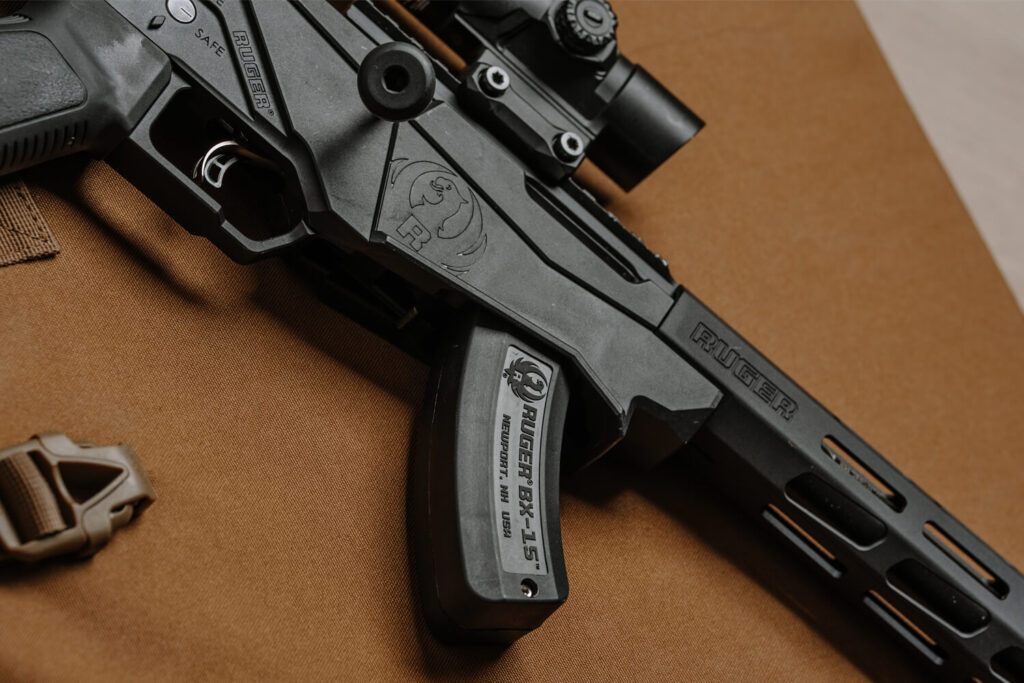
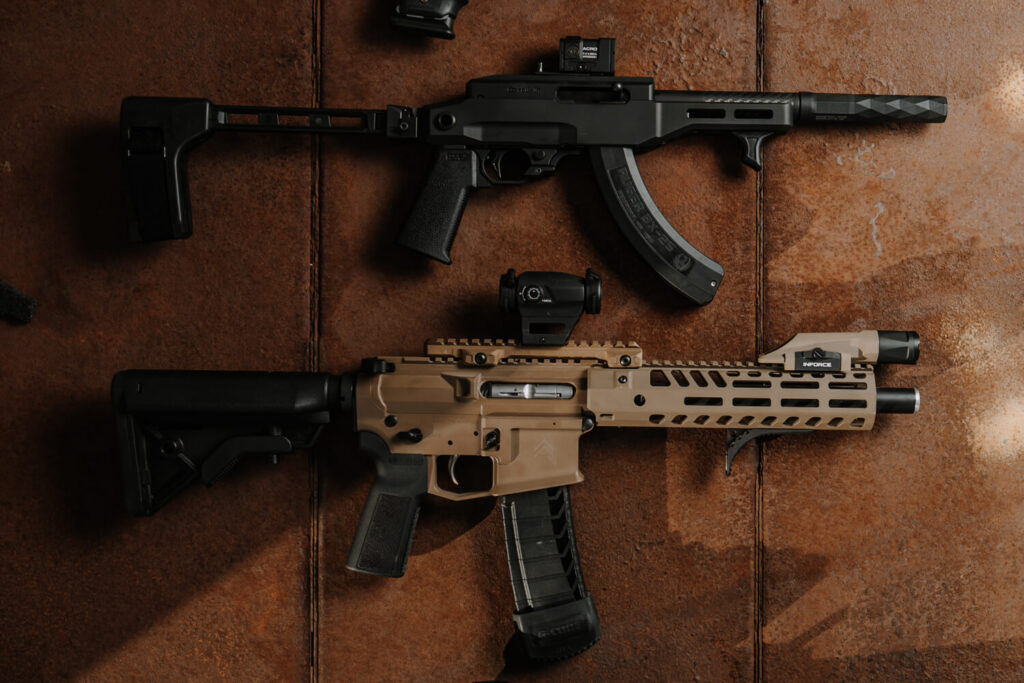
Our pick for this stage is the Vanquish 22 on the Ruger Precision Rimfire. The Vanquish 22 replaces the factory barrel with an 18″ integrally suppressed barrel, so the suppressor is built into the rifle instead of hanging off the front of the muzzle. Our Ruger Precision Rimfire suppressor guide covers the full setup.
Start on a bolt-action rifle. Three points of contact, an easy aiming point, and nothing loads until the bolt is worked.
When should a new shooter move to a semi-auto .22?
Once the bolt gun is second nature. The next step is a semi-automatic Ruger 10/22 with the Vanquish 22, either the standard rifle or the takedown. I explain the change in one line: the semi-auto is doing the manual action for you.
Every shot on the Ruger 10/22 ejects the empty case and chambers the next round, the same job the shooter has been doing by hand with the bolt. Because they already know that working the action loads a round, the semi-auto makes sense instead of feeling like magic. They understand the rifle is loaded and ready after every shot.
The Vanquish 22 for the standard Ruger 10/22 is an 18.5″ precision ported barrel with a Bentz match chamber and a 1-16″ twist. The Vanquish 22 Takedown is 18″ and packs down for the trip to the range. Our suppressed 10/22 Takedown build walks through that setup.
Move to the semi-auto once the bolt gun is second nature. The Ruger 10/22 does the manual action for you, and a shooter who learned the bolt knows exactly what that means.
When is a new shooter ready for a .22 pistol?
Last. A pistol is harder to shoot well than a rifle. There’s no stock against the shoulder, so the shooter loses a point of contact and has less room for a sloppy trigger press. I move to a pistol after the shooter is safe and consistent on both rifles.
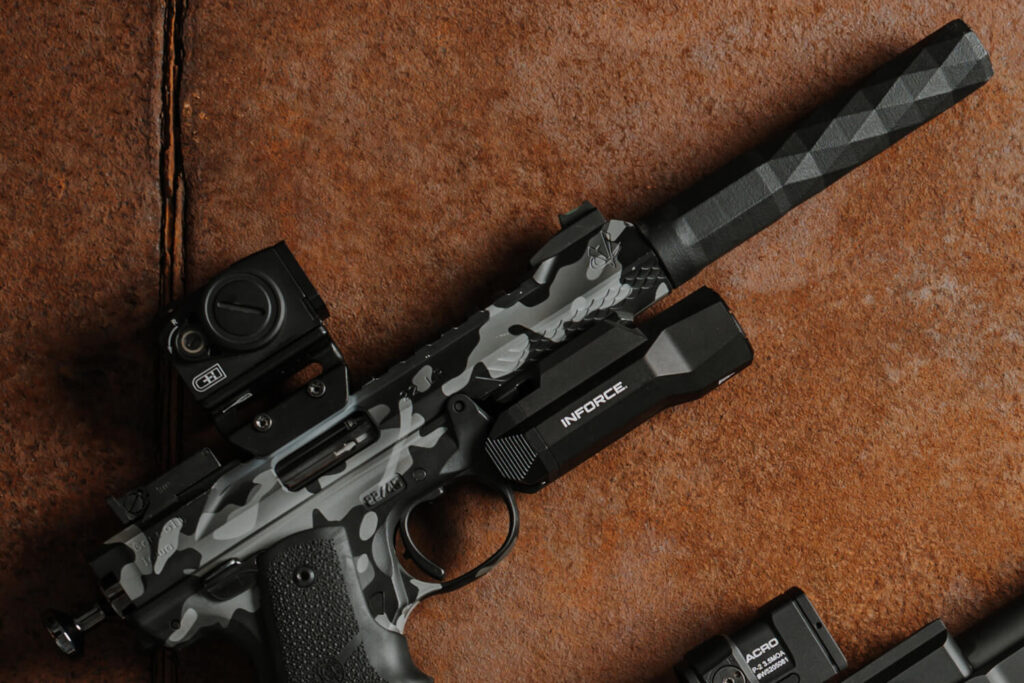
For the pistol, we recommend a threaded Ruger Mark IV with the Reticent 22. The Reticent 22 is 5″ long, weighs 2.5 oz in grade 5 titanium, and direct threads onto any 1/2×28 rimfire host, so it adds almost no weight out front. Our Ruger Mark IV suppressor guide walks through the setup.
The pistol comes last. Pair a threaded Ruger Mark IV with the Reticent 22 once the shooter is safe and consistent on both rifles.
The suppressed .22 progression at a glance
| Stage | Gun | Action | Suppressor | Why at this stage |
|---|---|---|---|---|
| 1. First gun | Ruger Precision Rimfire | Bolt action | Vanquish 22 (integral, 18″) | Three points of contact, easy aiming, nothing loads until the bolt is worked |
| 2. Step up | Ruger 10/22, standard or takedown | Semi-auto rifle | Vanquish 22 (integral, 18.5″ standard or 18″ takedown) | The rifle does the manual action for you |
| 3. Pistol | Threaded Ruger Mark IV | Semi-auto pistol | Reticent 22 (2.5 oz, 5″, direct thread) | Fewer points of contact; comes after both rifles are second nature |
Build the shooter, then the skills
A new shooter who never learns to flinch keeps coming back. Take the noise out with a suppressor, put safety first, and move them from bolt gun to semi-auto to pistol as each one becomes second nature.
Start with the Vanquish 22, the only fully rifled .22LR suppressor, built into the barrel of your Ruger Precision Rimfire or Ruger 10/22. When it’s time for a pistol, the Reticent 22 is our quietest and lightest .22LR suppressor and moves from gun to gun.
Featured Products
-
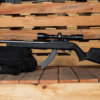
 Vanquish 22 Suppressed Ruger Precision Rimfire Barrel
Original price was: $599.00.$535.00Current price is: $535.00.
-
 Vanquish 22 Suppressed Ruger 10/22 Barrel
Original price was: $599.00.$535.00Current price is: $535.00.
-
 Vanquish 22TD Suppressed Ruger 10/22 Takedown Barrel
Original price was: $599.00.$535.00Current price is: $535.00.
-
 Reticent 22 Suppressor
Original price was: $375.00.$345.00Current price is: $345.00.

Frequently asked questions
A .22LR has next to no recoil, so the noise is what makes a new shooter flinch. A suppressor takes an unsuppressed .22LR from about 140 decibels and up down to the low 110s to upper 120s. With the noise gone, there’s nothing left to brace against, and the shooter can focus on the sight and the trigger.
A bolt-action .22 rifle. A rifle gives three points of contact, so it’s easier to hold steady than a pistol. Better yet, mount a bipod and shoot from a sitting position. A bolt action only loads a round when the bolt is worked. We recommend the Vanquish 22 on the Ruger Precision Rimfire.
Not at first. Load the gun for the new shooter the first few times so they can focus on the shot. Then hand them a single round to load, then two, then three. Start with the rules of gun safety and dry fire before any live fire. You’re responsible for a new shooter’s safety.
It depends on where you shoot. At a public range, wear hearing protection, because the shooter next to you may be firing a louder unsuppressed caliber. On private land, shooting only suppressed .22LR, you can go without. Other calibers are still loud enough to damage your hearing, even suppressed.
After they’re safe and consistent on both a bolt-action and a semi-auto rifle. A pistol has fewer points of contact and is harder to shoot well. We recommend a threaded Ruger Mark IV with the Reticent 22, a 2.5 ounce titanium suppressor that adds almost no weight to the front of the pistol.
Latest Intel
Teaching New Shooters With a Suppressed .22
Oct
Who Can Use Your Suppressor? Rules for Family & Friends in 2026
Oct
Suppressed Fest 2026 Recap
Oct
Vanquish 22 M81 Woodland Limited Ed: Available Now
Oct
Is the Ruger Precision Rimfire Discontinued?
Oct
Suppressed Fest 2026: This Weekend!
Oct