


Educational
Can You Travel or Hunt Out of State with a Suppressor?
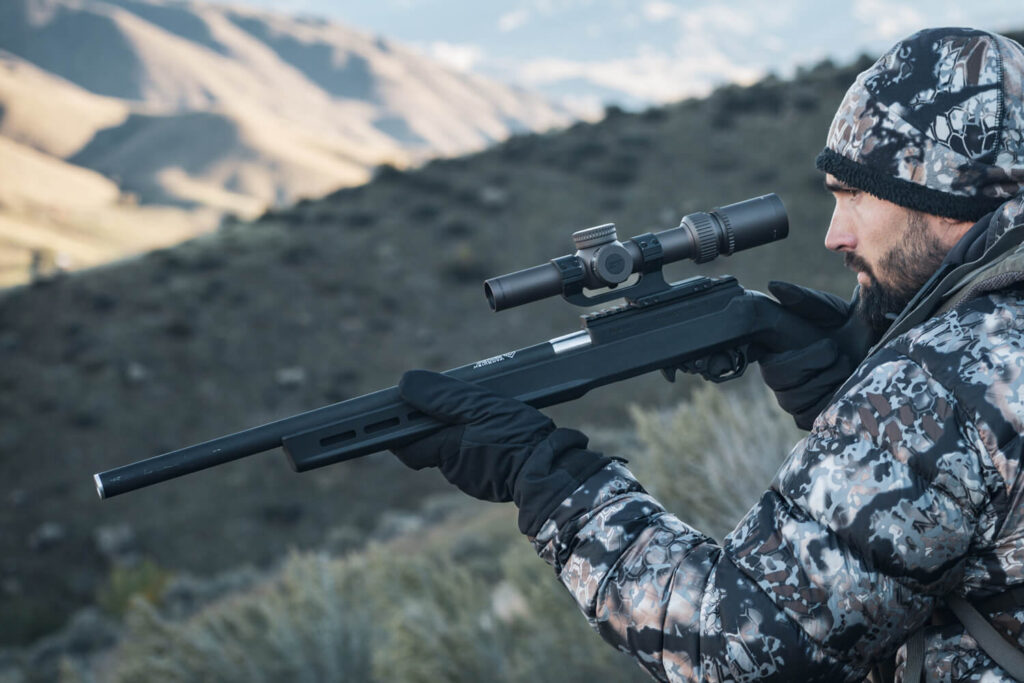
Yes. A suppressor has never needed ATF permission to cross state lines, and since October 9, 2026, federal law doesn’t stop an unregistered one either. What decides your trip is the destination state: whether you can own a suppressor there, whether it ties possession to NFA registration, and whether you can hunt with one.
Do you need ATF permission to take a suppressor across state lines?
No. ATF Form 5320.20, the application to transport NFA firearms across state lines, has never applied to suppressors. Federal law (18 U.S.C. 922(a)(4) and 27 CFR 478.28) requires that permission only for short-barreled rifles, short-barreled shotguns, fully automatic firearms, and destructive devices.
Plenty of travel guides still tell suppressor owners to file a Form 20 before a trip. You don’t need one, and you never did.
What changed in 2026 is registration. Until this year, a suppressor had to be registered to you to be legal at all. ATF’s Open Letter ended federal enforcement of NFA registration for suppressors and said ATF won’t enforce the NFA ban on moving an unregistered suppressor across state lines. Our breakdown of ATF’s NFA Open Letter covers the full change.
Watch the host gun. A short-barreled rifle still needs a Form 20 to cross state lines, registered or not. If your suppressor rides on a short-barreled rifle, the rifle is the item that needs permission.
A suppressor needs no Form 20 to cross state lines. The host rifle still does if it’s a short-barreled rifle.
Where can you legally take a suppressor?
Anywhere you can legally own one. Suppressors are legal in 42 states. They’re banned in California, Delaware, Hawaii, Illinois, Massachusetts, New Jersey, New York, and Rhode Island, plus Washington DC. You cannot legally possess a suppressor in those places, visitor or not.
State law still decides whether you can own a suppressor at all. The Silencer Shop ruling and ATF’s policy changed the paperwork for buyers in the free states. They didn’t change state law, so a banned state is still banned. Check every state on your route against our suppressor legal states map.
Driving through a banned state is a separate question. The federal safe passage law (18 U.S.C. 926A) lets you transport a firearm through a state where it’s illegal, as long as you can legally have it at your starting point and your destination. A suppressor counts as a firearm under federal law. During the trip it has to be unloaded and out of reach of the passenger compartment, in the trunk or a locked container.
Some banned states have read safe passage narrowly, and travelers have been arrested who believed they were covered. Route around a banned state when you can.
You can take a suppressor anywhere you can legally own one. Pass through a banned state only under safe passage rules, and route around it when you can.
Why is a registered suppressor safer for travel through NFA states?
Fifteen states still tie suppressor possession to the NFA process: Alaska, Colorado, Connecticut, Georgia, Michigan, Mississippi, Montana, Nevada, North Carolina, North Dakota, Ohio, Oregon, Pennsylvania, Washington, and Wisconsin. In those states, state law expects a suppressor to be registered.
An unregistered suppressor that’s legal in your home state may not be legal in an NFA state. ATF says it can’t tell you whether a state treats an unregistered suppressor as lawfully held. That leaves you to find out at a traffic stop.
A registered suppressor removes the question. Bring a copy of your approved Form 4, printed or on your phone, so you can show the suppressor is registered to you. If it’s held on a trust, the trustees can possess it, and our NFA trust vs individual guide covers that setup.
ATF still approves a voluntary Form 4 at $0, but federal law generally doesn’t allow registering an NFA item after the fact. If you’ll hunt or travel in NFA states, registering at purchase is the safer call. If you already own a registered suppressor, keep the registration. ATF says removing a suppressor from the registry is permanent.
Traveling into or through an NFA state? Bring a registered suppressor and a copy of your approved Form 4. Registration happens at purchase, so decide before you buy.
Can you hunt out of state with a suppressor?
In most states, yes. Of the 42 states where suppressors are legal to own, 41 allow hunting with one in some form. Connecticut is the exception. Its law states: “No person shall use any silencer on any firearm when hunting.”
Hunting rules can be stricter than ownership rules. Montana and Oklahoma hunting laws allow a suppressor only if it’s registered with ATF, so an unregistered suppressor stays out of the field in either state.
Permission to hunt with a suppressor rarely covers every animal and every season. Some states limit suppressor use in certain seasons or on certain public land, and federal migratory bird rules apply on top of state rules. Read the destination state’s current hunting regulations, buy the license, and check the species you’re after. For a .22, our best suppressor for small game and pest control guide covers the setup.
41 of 42 suppressor-legal states allow hunting with one. Connecticut doesn’t, Montana and Oklahoma require a registered suppressor, and every state sets its own species and season rules.
What should you check before you cross a state line?
Sort every state on your route into one of three groups, then check the row that applies.
| Destination | Can you bring a suppressor? | Can you hunt with it? | What to bring |
|---|---|---|---|
| Free state (27) | Yes, registered or unregistered. | Yes, in some form. Oklahoma allows only an ATF-registered suppressor. Check species, season, and land rules. | Hunting license. Approved Form 4 copy if registered. |
| NFA state (15) | Registered: yes. Unregistered: state law ties possession to registration, so leave it home. | Yes, except Connecticut. Montana allows only an ATF-registered suppressor. | Approved Form 4 copy. Hunting license. |
| Banned (8 plus DC) | No. Pass through only under federal safe passage: unloaded, locked, out of reach. | No. | A route around it, if you have one. |
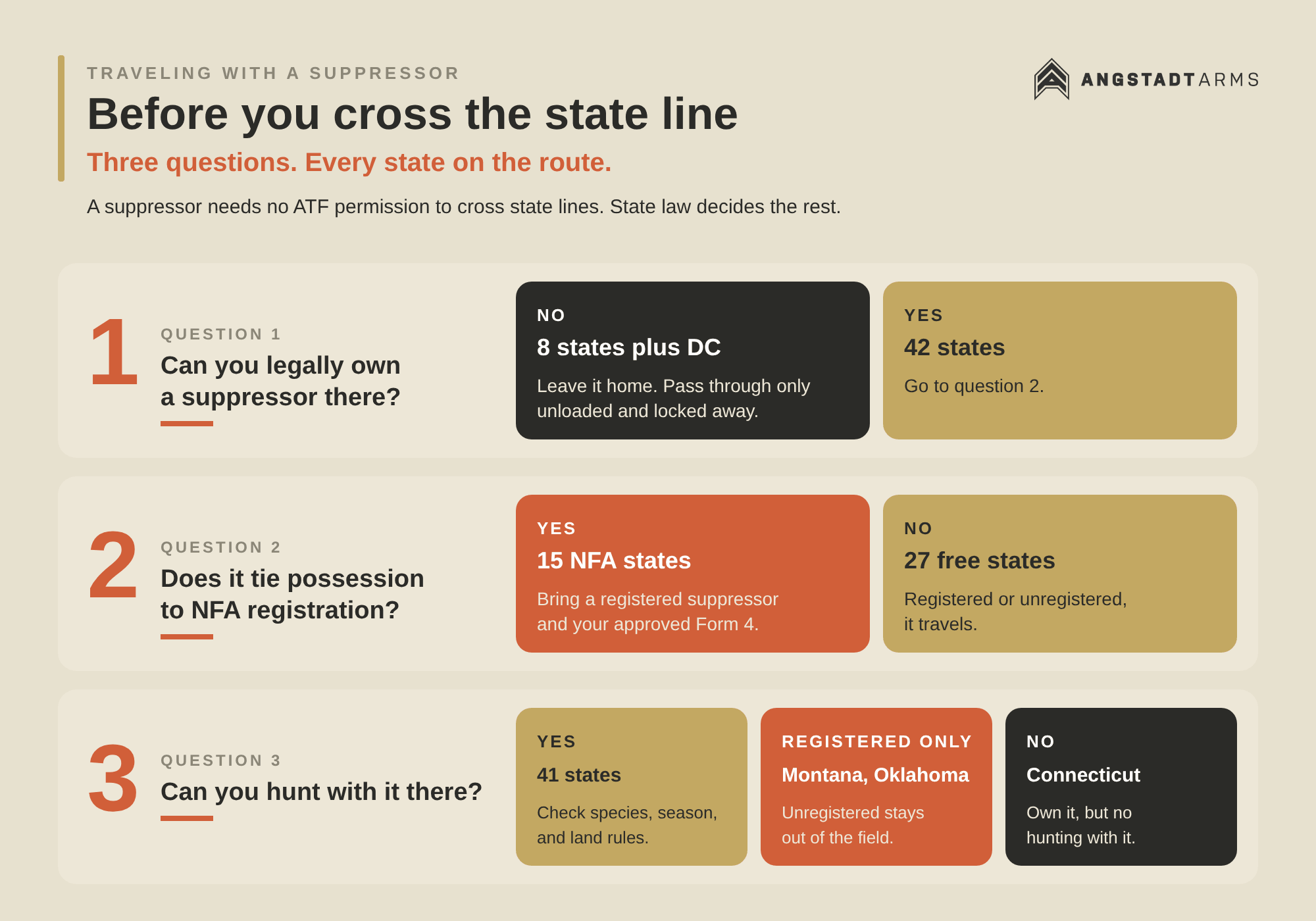
Check ownership, registration, and hunting rules for every state on the route, not just the one you’re driving to.
Which .22 suppressor setup travels best?
The one that packs small. Store the suppressor unloaded in a locked case, off the host, in the trunk. Those are the safe passage conditions, and it’s a good habit on any trip.
The Reticent 22 weighs 2.5 oz and measures 5″ long, so it disappears into a range bag. One Reticent 22 moves between any 1/2×28 rimfire rifle or pistol you bring, which means one suppressor covers the whole trip.
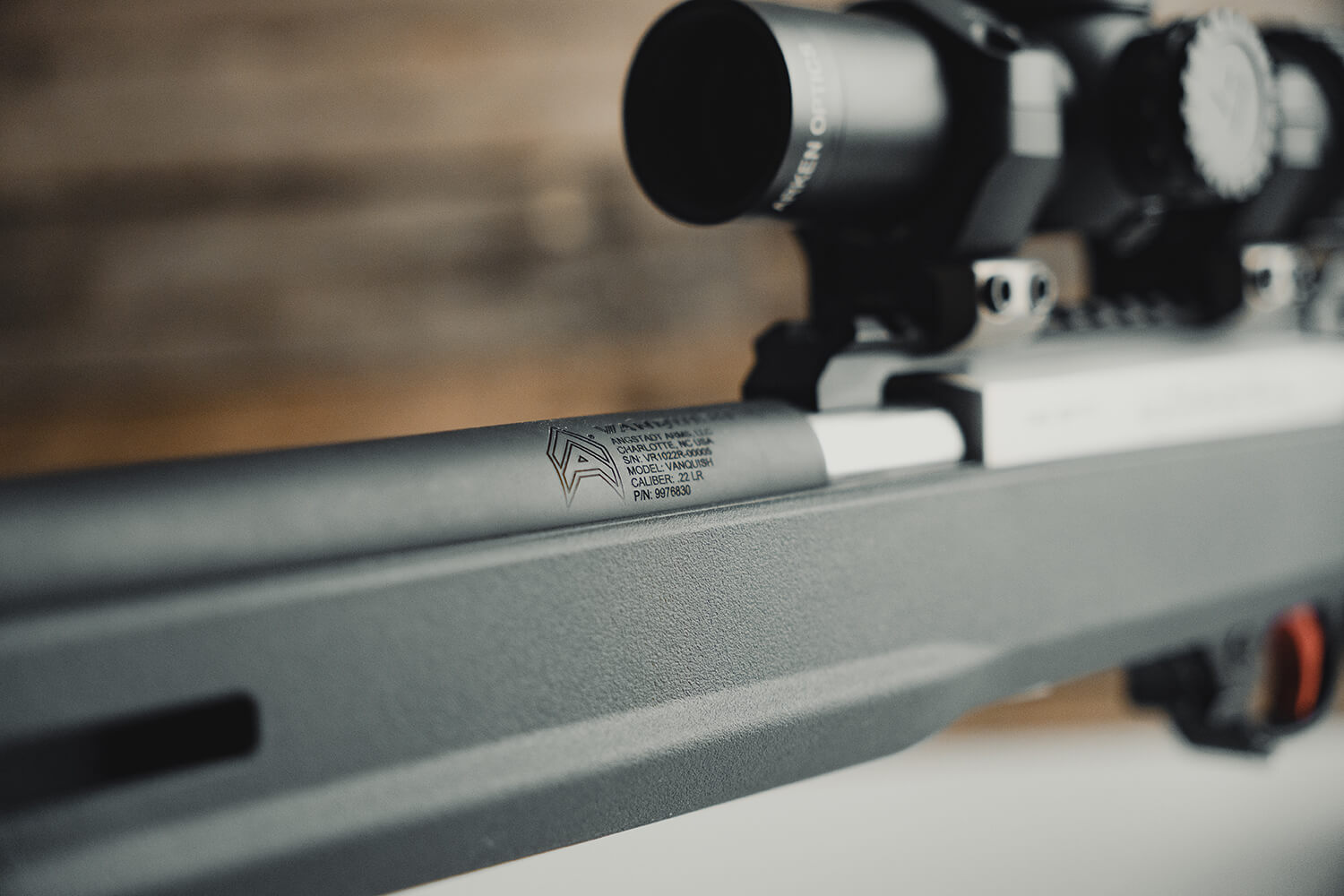
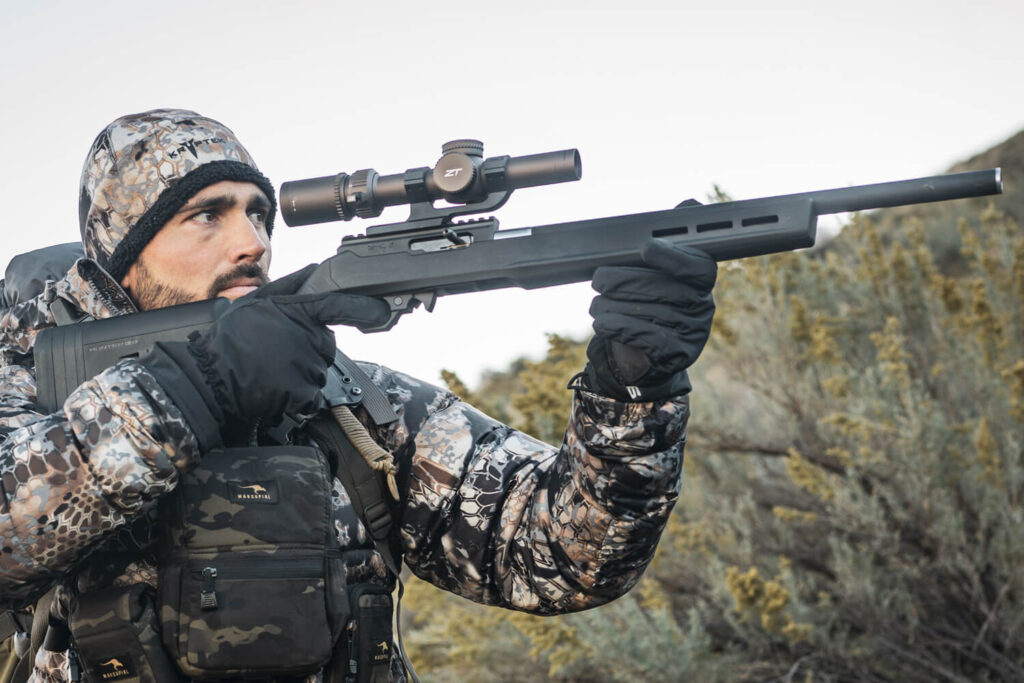
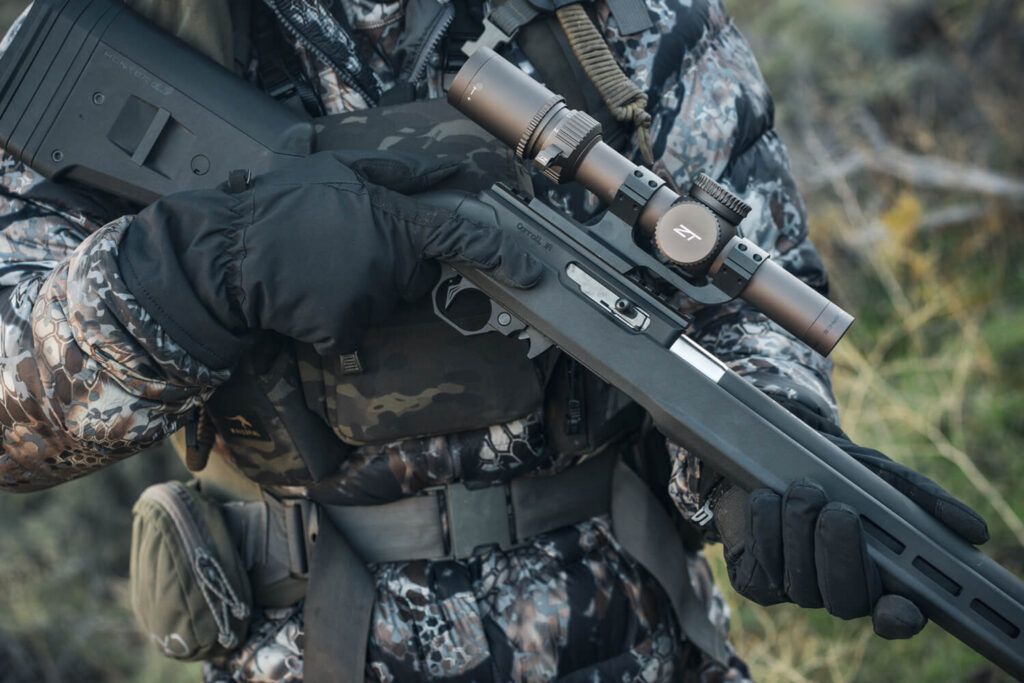
The Vanquish 22 Takedown puts the suppressor around the barrel instead of past it. Broken down in a Magpul X-22 Backpacker stock, the build measures about 19.5″, suppressor included, so it rides in the bag the rifle came with. The 18″ barrel keeps a stocked 10/22 Takedown a standard rifle, so the host needs no Form 20. The full build is in our Ruger 10/22 Takedown suppressed guide.
The Reticent 22 covers every rimfire host you pack. The Vanquish 22 Takedown packs into the factory bag with the suppressor already on.
Plan the route, then pack the right suppressor
A suppressor travels like any other firearm now, with one catch: the destination state’s law. Check ownership, registration, and hunting rules for every state on the route, and bring a registered suppressor if any of them are NFA states.
For a trip that covers more than one gun, the Reticent 22 is the lightest and quietest full-size 22LR suppressor and threads onto any 1/2×28 rimfire host. For a rifle that packs small, the Vanquish 22 Takedown is an integrally suppressed 10/22 Takedown barrel that breaks down into the factory bag with nothing to thread on at the range.
Download the free guide now!
From choosing your first suppressor to taking it home, this guide walks you through everything. Don't be caught off guard, enter your email and we'll send it straight to your inbox!
Featured Products
-
 Vanquish 22TD Suppressed Ruger 10/22 Takedown Barrel
Original price was: $599.00.$535.00Current price is: $535.00.
-
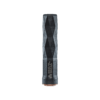 Reticent 360S Suppressor
Original price was: $895.00.$795.00Current price is: $795.00.
-
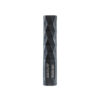 Reticent 22 Suppressor
Original price was: $375.00.$345.00Current price is: $345.00.
Frequently asked questions
No. ATF Form 5320.20 covers short-barreled rifles, short-barreled shotguns, fully automatic firearms, and destructive devices. Suppressors have never needed it. If your suppressor rides on a short-barreled rifle, the rifle still needs a Form 20 to cross state lines, registered or not.
Under federal law, yes. ATF says it will not enforce the NFA ban on moving an unregistered suppressor across state lines. The destination state’s law still applies. The 15 NFA states tie possession to registration, so bring a registered suppressor and a copy of your approved Form 4 there.
Federal safe passage law lets you transport a firearm, including a suppressor, through a state where it is illegal if it is legal at both ends of the trip. Keep it unloaded and locked away from the passenger compartment. Some banned states read this narrowly, so route around them when you can.
Usually. 41 of the 42 states where suppressors are legal allow hunting with one in some form. Connecticut bans it. Montana and Oklahoma allow only an ATF-registered suppressor. Every state sets its own species and season rules, so read the destination state’s current hunting regulations before you go.
If you travel or hunt in NFA states, it’s the safer call. Those states tie possession to registration, and Montana and Oklahoma allow only registered suppressors for hunting. A voluntary Form 4 costs $0. Decide at purchase, because federal law generally does not allow registering an NFA item after the fact.
Latest Intel
Can You Travel or Hunt Out of State with a Suppressor?
Nov
Direct Thread vs QD for a Rimfire Suppressor
Oct
Teaching New Shooters With a Suppressed .22
Oct
Who Can Use Your Suppressor? Rules for Family & Friends in 2026
Oct
Suppressed Fest 2026 Recap
Oct
Vanquish 22 M81 Woodland Limited Ed: Available Now
Oct