


Educational
1/2×28 Rimfire Suppressors: How to Check Your Thread
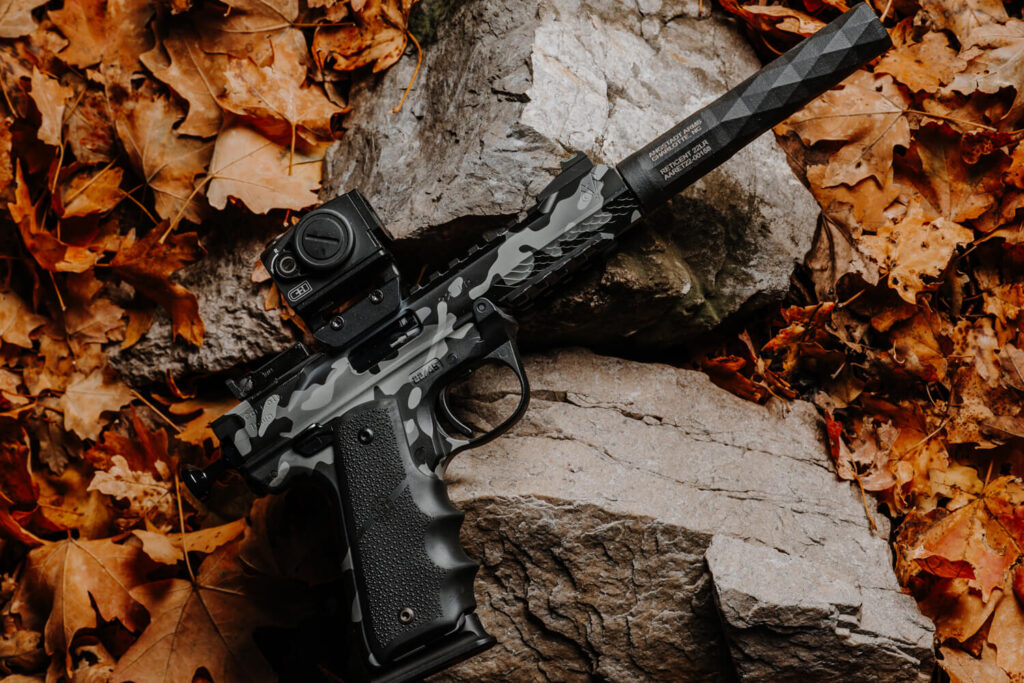
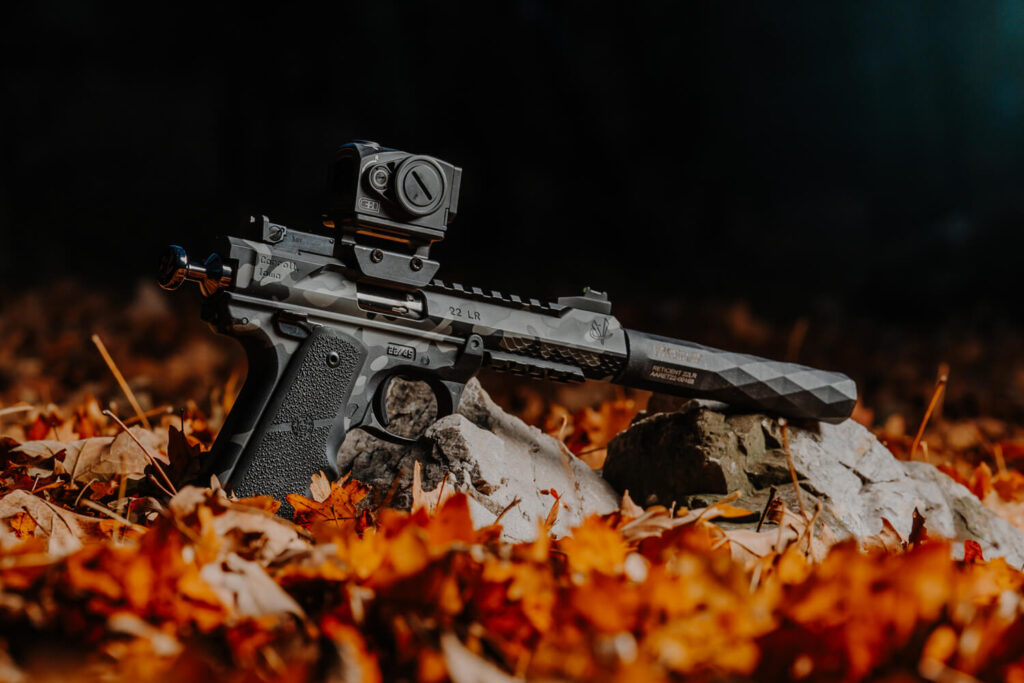
Most threaded .22LR rifles and pistols use a 1/2×28 rimfire thread, so a direct-thread .22 suppressor like the Reticent 22 screws straight on. Mount it hand tight against the barrel shoulder, recheck it during long strings because it can walk loose, and take it off when you’re done shooting so carbon doesn’t lock it to the threads.
What does 1/2×28 rimfire mean?
1/2×28 rimfire is a thread size: a 1/2″ diameter with 28 threads per inch. Thread pitch is the spacing between those threads, and a suppressor only screws onto a muzzle with the exact same size and pitch.
It is the standard rimfire muzzle thread. Ruger, CZ, Browning, Smith & Wesson, and Taurus all use it on their threaded .22LR models, which is why one .22 suppressor can move across most of the rimfire safe.
We write it as “1/2×28 rimfire” on purpose. The next section explains why the word rimfire matters.
1/2×28 rimfire is the standard .22LR muzzle thread, so one direct-thread suppressor fits most threaded rimfire hosts.
Will a .22 suppressor fit a 5.56 barrel?
The threads will fit. The suppressor still doesn’t belong there. Most 5.56 NATO barrels use the same thread as 1/2×28 rimfire hosts, so a .22 suppressor will screw onto an AR-15 muzzle as easily as it screws onto a 10/22.
A matching thread is not a caliber rating. The Reticent 22 is rated for 22 LR only. Firing 5.56 through a rimfire suppressor puts far more pressure and heat through it than it was built for.
We run a dedicated suppressor per caliber: a .22 suppressor for rimfire and a dedicated 5.56 or 6mm suppressor on AR-15 rifles. That keeps the rimfire suppressor on rimfire hosts and takes the guesswork out of grabbing the right one.
Check the caliber rating, not just the thread. A .22 suppressor on a 5.56 barrel fits and is still the wrong setup.
Which .22 rifles and pistols ship threaded 1/2×28 rimfire?
Most popular .22LR hosts come in a factory threaded version. The threaded model matters: many of these guns also ship with a plain muzzle, so check yours before you buy a suppressor for it.
| Host | Factory thread (threaded models) | Mounting the Reticent 22 |
|---|---|---|
| Ruger 10/22 | 1/2×28 rimfire | Direct thread (check front sight clearance) |
| Ruger Precision Rimfire | 1/2×28 rimfire | Direct thread |
| Ruger American Rimfire (22 LR) | 1/2×28 rimfire | Direct thread |
| CZ 457 (22 LR) | 1/2×28 rimfire | Direct thread |
| Smith & Wesson M&P 15-22 | 1/2×28 rimfire | Direct thread (remove the flash hider) |
| Ruger Mark IV | 1/2×28 rimfire | Direct thread |
| Browning Buck Mark (Suppressor Ready models) | 1/2×28 rimfire | Direct thread |
| Taurus TX22 | 1/2×28 rimfire | Direct thread |
| Ruger SR22 | 1/2×28 rimfire via the adapter in Ruger’s threaded barrel kit | Through the factory adapter |
| Walther P22 | M8x0.75 | Needs a 1/2×28 rimfire thread adapter |
Source: manufacturer and retailer spec sheets, checked November 2026. Confirm your exact model number, because unthreaded and state-compliant versions exist.
For centerfire pistols, PCCs, and rifles, our all-calibers barrel thread pitch guide lists the common pitches by caliber.
If your .22LR host is a threaded model, it is almost certainly 1/2×28 rimfire and takes a direct-thread .22 suppressor with no adapter.
How tight should a .22 suppressor be?
Hand tight. Thread the suppressor on until it seats flat against the barrel shoulder, then snug it by hand. A .22LR suppressor doesn’t need a wrench.
The shoulder is what keeps the suppressor square to the bore, so it has to seat flat against it. Don’t add a crush washer or an O-ring to take up space. Either one can tilt the suppressor off the bore line.
On some factory threaded Ruger 10/22 rifles, the front sight sits close enough to the muzzle that the suppressor stops before it reaches the shoulder. If yours feels tight but leaves a gap, read our Ruger 10/22 suppressor alignment guide before you shoot it.
Centerfire pistols are a different story. Some shooters add a wrap of plumber’s tape to the threads to help the suppressor stay put. A .22LR suppressor doesn’t need it.
Hand tight, seated flat on the shoulder, with nothing in between. That’s the whole mounting job on a .22.
Why does a suppressor walk off during shooting?
Firing shakes a suppressor, and over a long string of shots that vibration can back it off the threads a little at a time.
A suppressor that has backed off is no longer seated on the shoulder, and the shoulder is what holds it square to the bore. Recheck it by hand every few magazines, and any time you pick the gun back up after a break.
This matters more on centerfire, where the action is far more violent. On a .22, a periodic hand check is enough to keep the suppressor where it belongs.
Hand tight isn’t set and forget. Recheck your suppressor every few magazines during a long session.

How do you keep a .22 suppressor from seizing on the threads?
.22LR runs dirty. Carbon and lead build up between the suppressor and the barrel threads, and if the suppressor stays mounted between range trips, that fouling can lock the suppressor to the barrel.
Two habits prevent it. Take the suppressor off when you’re done shooting, every time. After a long session, clean the suppressor before it goes back in the safe. Our guide on how to clean a .22 suppressor walks through the method we recommend.
When you clean it, wear gloves and safety goggles. Solvent that has been inside a suppressor carries lead, so keep it off bare skin.
Remove the suppressor after every range day and clean it after long sessions. Carbon lock-up only happens to a suppressor that stays on.
Can you put a .22 suppressor on a thread adapter?
Yes, as long as you check concentricity first. Concentricity means the suppressor’s bore lines up with the barrel’s bore, so the bullet passes through the center without touching the baffles.
A thread adapter is how pistols like the Walther P22 take a 1/2×28 rimfire suppressor. It also adds one more part that has to be square to the bore. Mount the adapter, mount the suppressor, and check alignment before the first shot. Our Ruger 10/22 alignment guide shows the 2-minute check, and it works on any host.
We check 100% of our suppressors for concentricity as soon as the threads are cut. An adapter is the variable you control, so check it once and you’ll know.
Thread adapters are fine on a .22. Check concentricity once before you shoot through one.
What’s the right setup for your rimfire safe?
If your .22LR hosts are threaded 1/2×28 rimfire, one direct-thread suppressor covers all of them. Mount it hand tight on the shoulder, recheck it during long strings, take it off when you’re done, and keep it off your 5.56 barrels.
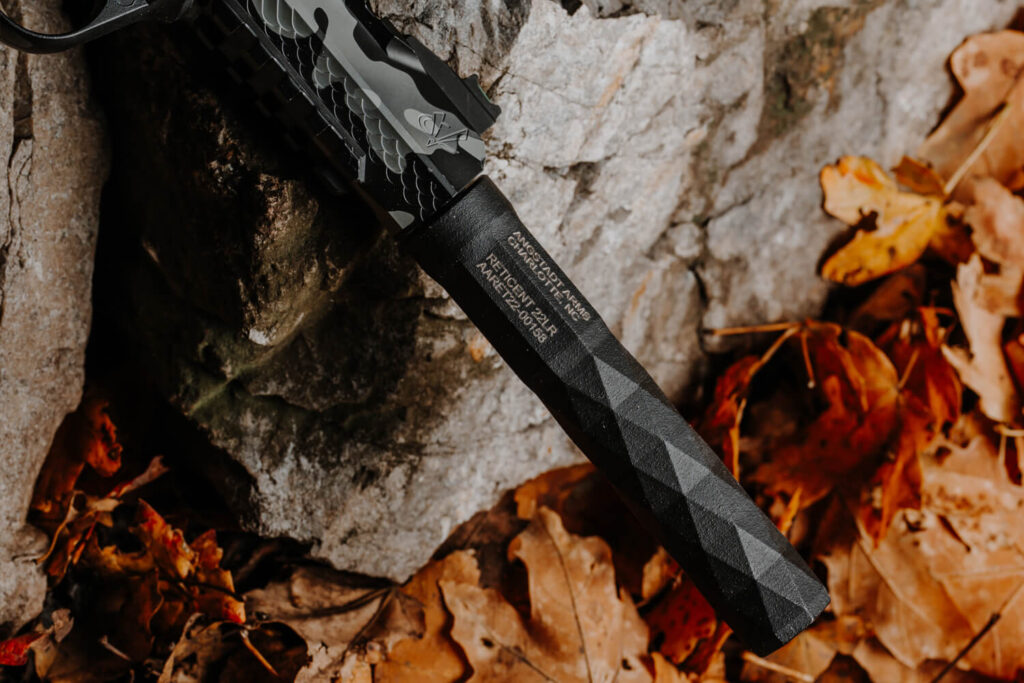
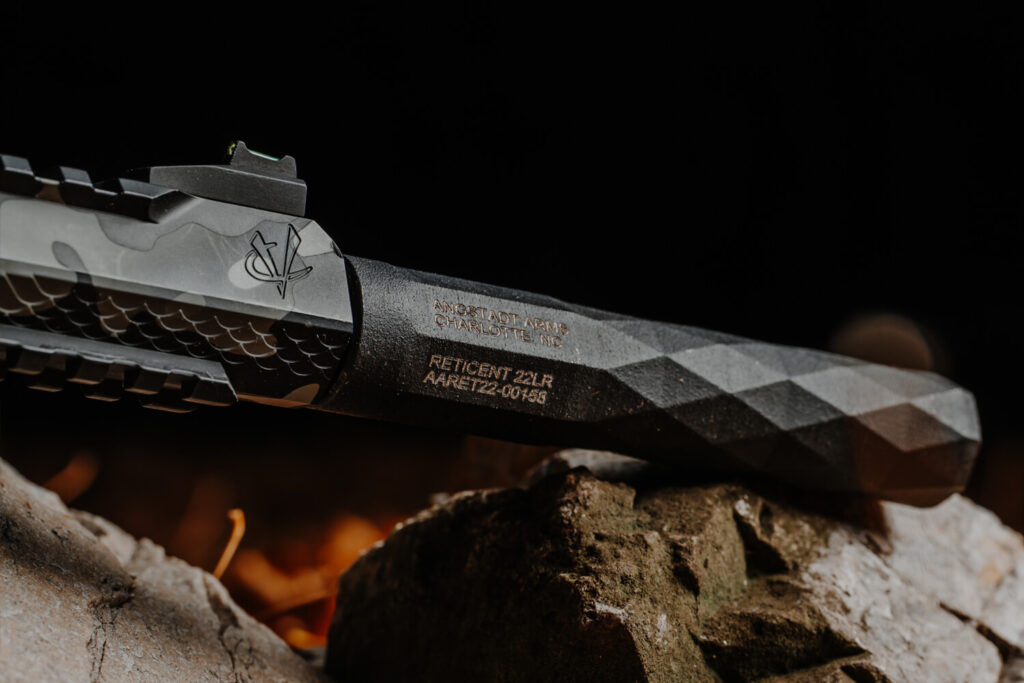
The Reticent 22 is built for exactly that job. It’s the lightest and quietest full-size 22LR suppressor we make, 2.5 oz of Grade 5 titanium, and it moves from rifle to pistol by hand in about 20 seconds.
Featured Products
-
 Reticent 22 Suppressor
Original price was: $375.00.$345.00Current price is: $345.00.
Download the free guide now!
From choosing your first suppressor to taking it home, this guide walks you through everything. Don't be caught off guard, enter your email and we'll send it straight to your inbox!
Frequently asked questions
Yes. Most 5.56 NATO barrels use the same thread as 1/2×28 rimfire hosts, so a rimfire suppressor will screw onto an AR-15 barrel. A matching thread is not a caliber rating. The Reticent 22 is rated for 22 LR only, so keep it on rimfire hosts and run a dedicated suppressor on 5.56.
No. A .22LR suppressor only needs to be hand tight. Thread it on until it seats flat against the barrel shoulder, then snug it by hand. Skip crush washers and O-rings, because anything between the suppressor and the shoulder can tilt it off the bore line.
Every few magazines during a long session, and any time you pick the gun back up after a break. Firing vibration can back a suppressor off the threads a little at a time. A quick hand check keeps it seated on the shoulder, which keeps it square to the bore.
Carbon and lead from .22LR build up in the threads and can lock a suppressor to the barrel, usually when it stays mounted between range trips. Prevent it by removing the suppressor after every session and cleaning it after long ones. If one is already seized, contact the suppressor maker before forcing it.
Yes, as long as you check concentricity first. Pistols like the Walther P22 need a 1/2×28 rimfire adapter to take a .22 suppressor. The adapter is one more part that has to be square to the bore, so mount everything and run an alignment check before the first shot.
Latest Intel
1/2×28 Rimfire Suppressors: How to Check Your Thread
Nov
How to Clean a Sealed .22 Suppressor
Nov
Ruger 10/22 & Mark IV Suppressor Alignment
Nov
Do 22LR Suppressors Reduce Recoil and Improve Accuracy?
Nov
What’s the Best Suppressor for the CZ 457?
Nov
Can You Travel or Hunt Out of State with a Suppressor?
Nov