


Educational
Quietest .22 Suppressor: How Sound Is Measured

The quietest .22 suppressor is not the one with the lowest number on a website. It is the one measured honestly, under a known protocol, on a consistent host and standard factory ammo.
Before you compare decibel ratings, you need to know how those numbers are produced, because most of them are not measured the same way.
How is suppressor sound actually measured?
The common standard is MIL-STD-1474D. The meter sits one meter to the left of the muzzle, at 90 degrees, roughly ear height (1.6 meters), and captures the peak impulse of each shot, which is then averaged across several rounds.
A real decibel number always comes with the protocol and conditions behind it. A number with no method is a claim, not a measurement.
Many manufacturers will place the meter at the “shooters ear” either left or right, which is perfectly acceptable as long as they disclose this information. Otherwise, sound measured at the shooters ear will always meter quieter than those collected using MIL-STD-1474D which sits closer to the muzzle.
What is a good decibel number for a .22 can?
An unsuppressed .22 LR runs around 140 decibels and up. A quality suppressor paired with subsonic ammo brings that down to roughly 113 to 128 decibels, depending on the host and the ammunition load.
If a number sits far below that range with no test conditions attached, treat it as marketing until proven otherwise.
What device is used to measure suppressor sound?
In order to properly measure a firearm and suppressor you need a sound meter specifically designed to capture high-amplitude impulse noises up to and exceeding 160 dB. Sorry, your iPhone won’t cut it. At Angstadt Arms we use a Larson Davis SoundTrack LxT Firearm Noise Sound Level Meter, Model #LxT1-QPR.
Why do the same suppressor’s numbers vary so much?
Barrel length, ambient temperature, altitude, ammo, first round pop, cooling time between shots, and exact meter placement all move the reading. The same can can post very different numbers on a pistol versus a rifle, or on bulk ammo versus match subsonic.
Only compare cans when the test conditions match. Otherwise you are comparing two different experiments, not two suppressors.
What does quiet actually feel like at the ear?
Peak decibels measure one thing: the height of the pressure spike. They do not fully capture pitch, or how sharp the report feels when it reaches you.
Two suppressors at the same decibel reading can sound noticeably different, and the one with a softer, lower report tends to read as quieter to the shooter.
Size is part of the answer too
This should go without saying but there is (almost) always a tradeoff between the overall size of the suppressor and how quiet it meters. Generally speaking, a larger suppressor (diameter, length or both) will have more internal volume than a smaller suppressor and therefore be quieter.
That doesn’t mean the smaller suppressor is “worse”. You might be willing to give up some quiet in exchange for a suppressor that doesn’t add much length to your pistol. Sound reduction should be viewed through the lens of the application.
At Angstadt Arms we designed the Reticent 22 to be incredibly quiet and insanely light (2.5oz). This allows the suppressor to feel like a small micro can while delivering the quiet of a full size suppressor.
This was made possible by using Grade 5 Titanium (a much lighter and stronger metal) and intelligent internal and external geometries.
Our measured numbers
Here is how the Reticent 22 and several popular 22LR suppressors measure under the protocol above, on the hosts and ammo listed. Numbers reflect our own testing, not estimates.
Testing Methodology
Sound testing was conducted with a Larson Davis SoundTrack LxT Firearm Noise Sound Level Meter, Model #LxT1-QPR in compliance with proper Mil-Std-1474D suppressor testing methodologies.
Testing Factors

Location – Albemarle, NC (28001)

Temperature – 85 degrees

Humidity – 64%

Sea level pressure – 29.24

Ammunition – CCI Standard Velocity 22LR
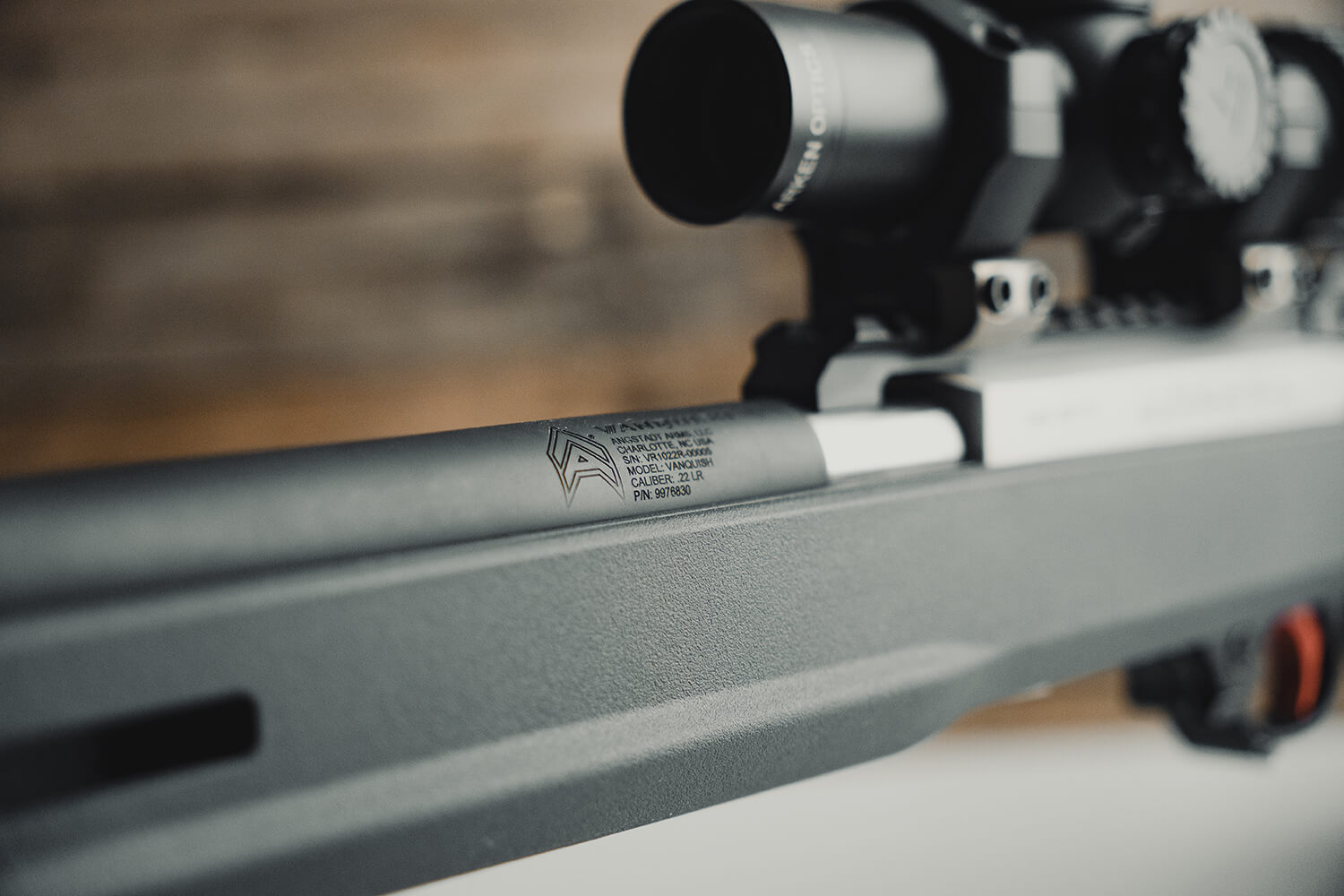
Firearm – Ruger Precision Rimfire
LZpeak dB
Angstadt Arms
Reticent 22
114.92 dB
Others
Ruger RXD22Ti
115.06 dB
SAW Katan
115.32 dB
Rugged Mustang L
118.74 dB
Rugged Oculus L
119.08 dB
Griffin Optimus Micro
121.06 dB
B&T Tiger 22
123.68 dB
Silent AF Shift
124.52 dB
WLA Party Popper
128.16 dB
Testing Results
Measured the same way, on the same rifle and the same CCI Standard Velocity ammo, the Reticent 22 came in quietest of every suppressor in this test at 114.92 dB. It leads a field of larger, heavier cans while weighing just 2.5 ounces, so it is not trading size for that number the way the others are.
That is the Reticent 22: the quiet of a full size suppressor in something that carries like a micro can.
Frequently asked questions
With a quality can and subsonic ammo, a .22 LR typically meters around 110 to 128 decibels, down from roughly 140 or more unsuppressed. The exact number depends on the host, the ammo, and how the test was run.
The quietest is the one measured honestly under a known protocol on a host and ammo like yours. Rather than trust a single number, compare cans tested the same way, and weigh tone and weight alongside peak decibels.
The common standard, MIL-STD-1474D, places a meter one meter to the left of the muzzle at roughly ear height and records the peak level, averaged over several shots. A credible decibel number always comes with the protocol and conditions behind it.
Not always. Two cans can share the same peak decibel reading yet sound different at the ear, because tone and the sharpness of the report matter too. Weight and balance also change how usable that quiet is in the field.
Featured Product
-
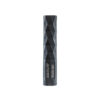 Reticent 22 Suppressor
Original price was: $375.00.$345.00Current price is: $345.00.
Reticent 22 Suppressor
Original price was: $375.00.$345.00Current price is: $345.00.
Latest Intel
Suppressed Fest 2026: This Weekend!
Oct
How to Sell or Transfer a Suppressor in 2026
Oct
First Round Pop: What Causes It and How to Get Rid of It
Oct
ATF’s NFA Open Letter: Do Suppressors Still Need to Be Registered?
Oct
10/22 Takedown Suppressor: The Quiet Build That Packs Small
Oct
Top 7 Suppressor Myths, Debunked
Oct