


Educational
DOJ Won’t Appeal the NFA Ruling: What It Means for Buyers
The Justice Department will not appeal the Silencer Shop Foundation v. ATF ruling. The Solicitor General confirmed it in a September 24, 2026 letter to the Senate Judiciary Committee, filed with the court on October 1. That leaves the August 5 judgment in place: covered buyers in 27 free states can buy a suppressor with a standard background check and no NFA registration.
No surprise there: gun control groups are calling it the deregulation of dangerous weapons. Here’s what the decision does, what’s still open, and where the critics have the facts wrong.
Update, October 9, 2026: ATF has extended the ruling’s effect to everyone. It no longer enforces NFA registration or approval for suppressors for any buyer or dealer, not only covered buyers. Here’s what ATF’s Open Letter means for you.
What did the DOJ decide about the Silencer Shop ruling?
The DOJ decided to let the ruling stand. On August 5, 2026, Judge James Wesley Hendrix entered a final judgment blocking ATF from enforcing NFA registration and approval for suppressors, short-barreled rifles, and short-barreled shotguns against the plaintiffs and their members and customers, current and future.
Solicitor General D. John Sauer told Senate Judiciary Chairman Chuck Grassley the department “has determined not to file an appeal.” The letter went into the court record on October 1.
Silencer Shop Foundation was one of the plaintiffs, and the order covers its customers. No membership is required. That’s why an Angstadt Arms suppressor bought through Silencer Shop or one of its authorized dealers runs through a covered channel.
The DOJ will not appeal, so the August 5 ruling stands. Since October 9, 2026, ATF’s policy lets any buyer in a free state skip NFA registration for a suppressor.
Is the NFA ruling final now?
The judgment stands, but two pieces are still moving. Nine states have asked Judge Hendrix to clarify whether the injunction reaches every transfer inside their borders or only covered buyers. The DOJ’s reply is due October 12, 2026.
ATF issued its guidance on October 9, 2026. It stopped enforcing NFA registration and approval for suppressors for everyone and made registration voluntary. Dealers still pick which process to run, which is why your dealer’s answer matters more than the headline. Our post on ATF’s NFA Open Letter covers the details.
The ruling also rests on the tax being $0. The court held that once Congress cut the transfer tax to zero, the registration scheme lost its constitutional footing. If a future Congress restores the tax, that footing changes.
No appeal makes the ruling durable, and ATF’s October 9 policy extends it to everyone. The nine-state clarification request and the $0 tax are the two things to watch.
What are Brady and Giffords saying, and what’s actually true?
Brady called the decision “abhorrent, unprecedented, and immoral” and said it expands “the availability of uniquely lethal firearms and devices.” Giffords said the administration “could bring us back to the days of Al Capone” and that the ruling “creates a loophole in federal law via membership in the nation’s most extreme gun groups.” Here’s how those claims hold up.
“Easily accessible” skips the background check. A covered buyer still buys from a licensed dealer, fills out a Form 4473, and passes a NICS background check, the same check required for any rifle. Anyone prohibited from owning a firearm is still prohibited from owning a suppressor. The ruling removed a registry. It didn’t remove the background check.
Al Capone is the wrong reference. The ruling doesn’t touch fully automatic firearms or destructive devices. Both stay regulated under the NFA exactly as before.
The “loophole” is narrower than it sounds. Being a customer doesn’t buy a blanket exemption. The court rejected the idea that a customer is exempt for every NFA item they later possess, make, sell, or transfer. State law didn’t change either: eight states and Washington DC still ban suppressors, and 15 more still require the full NFA process.
“Uniquely lethal” doesn’t match what a suppressor does. A suppressor slows and cools muzzle gas so the shot is easier on your hearing. As of August 4, 2026, ATF’s registry listed 6,654,209 suppressors, each one registered through the federal process.
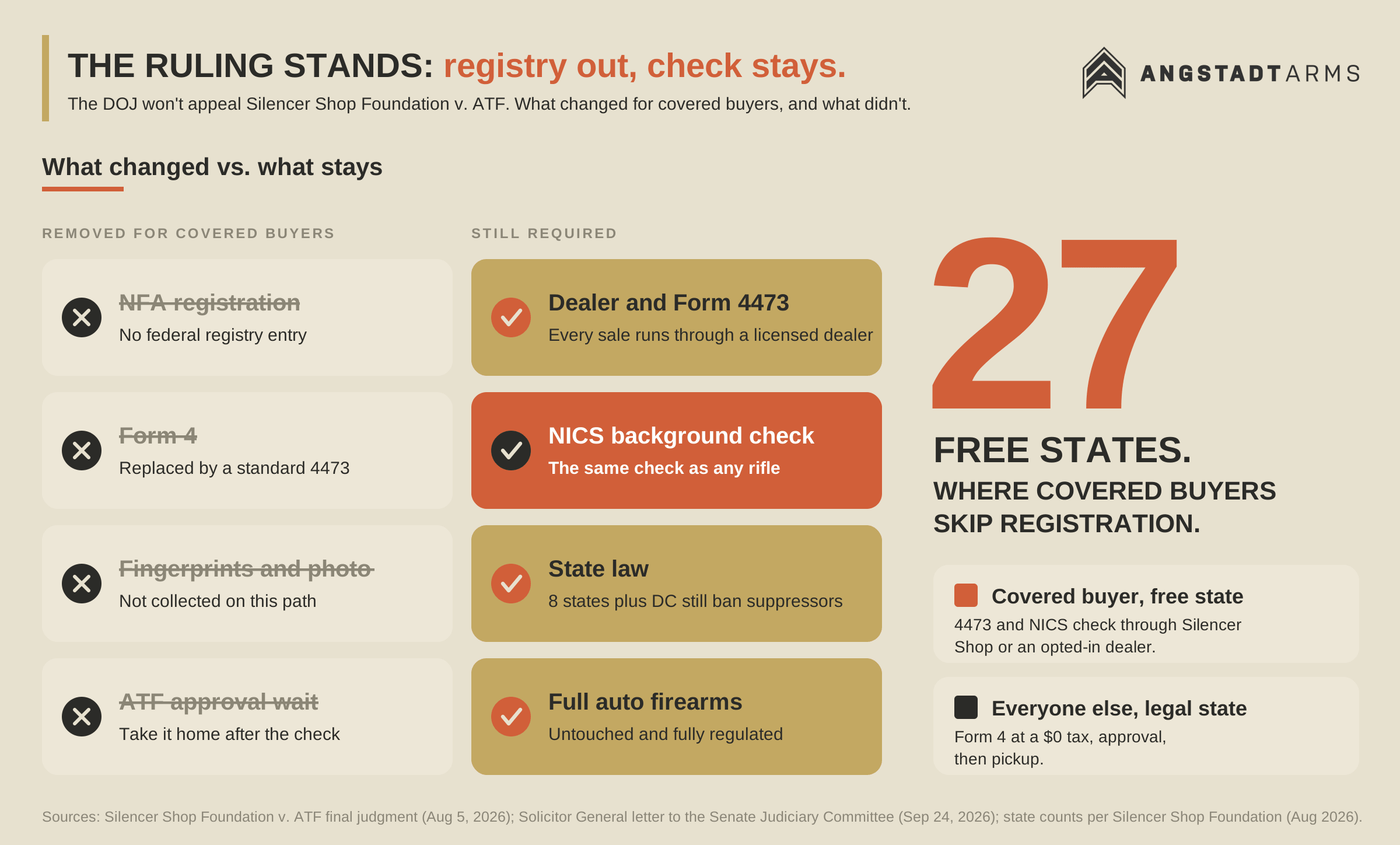
Every suppressor buyer still passes a NICS background check at a licensed dealer. The ruling and ATF’s October 9 policy removed federal registration, not the background check, and left fully automatic firearms and state law untouched.
Does the no-appeal decision change how you buy a suppressor?
Only if you’re in a free state, and since October 9, 2026, any dealer there can offer the faster path. Where you live and which process your dealer runs decide your path.
| Your situation | Your path |
|---|---|
| Free state, dealer has dropped the NFA process | Form 4473 and a NICS background check. No NFA registration, no wait. |
| Free state, dealer still running the NFA process | Voluntary Form 4 at $0, approval, then pickup. |
| NFA state (15 states) | Form 4 at $0, approval, then pickup. State law still requires it. |
| Banned state (8 states plus Washington DC) | You cannot legally own a suppressor. |
In the free states, each dealer picks which process to run, and you can’t make a dealer switch. Call yours before you count on the faster path. State law still decides whether you can own a suppressor at all. The ruling and ATF’s policy only changed the paperwork in the free states, and our Silencer Shop ruling explainer covers that path in detail.
Check where your state lands on our suppressor legal states map, or follow the standard path in our guide on how to buy a suppressor.
In a free state, any dealer can now offer the 4473 path. In an NFA state, you still buy on a Form 4, now at a $0 tax.
Whichever path you’re on, the suppressor is the same
In a free state, get the Reticent 22 or the Vanquish 22 from any dealer offering the 4473 path. Everywhere else suppressors are legal, buy direct and we start your Form 4 the day you order, now at a $0 tax.
Download the free guide now!
From choosing your first suppressor to taking it home, this guide walks you through everything. Don't be caught off guard, enter your email and we'll send it straight to your inbox!
Featured Products
-
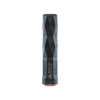 Reticent 360S Suppressor
Original price was: $895.00.$795.00Current price is: $795.00.
Reticent 360S Suppressor
Original price was: $895.00.$795.00Current price is: $795.00. -
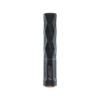 Reticent 360L Suppressor
Original price was: $895.00.$795.00Current price is: $795.00.
Reticent 360L Suppressor
Original price was: $895.00.$795.00Current price is: $795.00. -
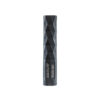 Reticent 22 Suppressor
Original price was: $375.00.$345.00Current price is: $345.00.
Reticent 22 Suppressor
Original price was: $375.00.$345.00Current price is: $345.00. -
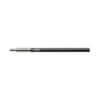 Vanquish 22TD Suppressed Ruger 10/22 Takedown Barrel
Original price was: $599.00.$535.00Current price is: $535.00.
Vanquish 22TD Suppressed Ruger 10/22 Takedown Barrel
Original price was: $599.00.$535.00Current price is: $535.00.
Frequently asked questions
No. Solicitor General D. John Sauer told the Senate Judiciary Committee in a September 24, 2026 letter that the Justice Department would not appeal Silencer Shop Foundation v. ATF. The letter was filed with the court on October 1, so the August 5, 2026 judgment stands.
Yes. Even on the free state path, a covered buyer fills out a Form 4473 at a licensed dealer and passes a NICS background check, the same check required for a rifle. The ruling removed NFA registration for covered buyers. It did not remove the background check.
The plaintiffs and their current and future members and customers. Silencer Shop Foundation was a plaintiff, so Silencer Shop customers are covered with no membership required. The ruling does not cover the general public by default, and state law still applies on top of it.
No. The $0 transfer tax took effect January 1, 2026, for every suppressor buyer in every state where suppressors are legal. The court ruling is separate. It removes NFA registration only for covered buyers, and in practice only in the free states.
Nine states asked the judge to clarify whether the injunction reaches every transfer in their borders. The DOJ’s reply is due October 12, 2026. ATF guidance on registration, trusts, and resale is also pending. Check with your dealer before you count on the free state path.
Latest Intel
Who Can Use Your Suppressor? Rules for Family & Friends in 2026
Oct
Suppressed Fest 2026 Recap
Oct
Vanquish 22 M81 Woodland Limited Ed: Available Now
Oct
Is the Ruger Precision Rimfire Discontinued?
Oct
Suppressed Fest 2026: This Weekend!
Oct
How to Sell or Transfer a Suppressor in 2026
Oct